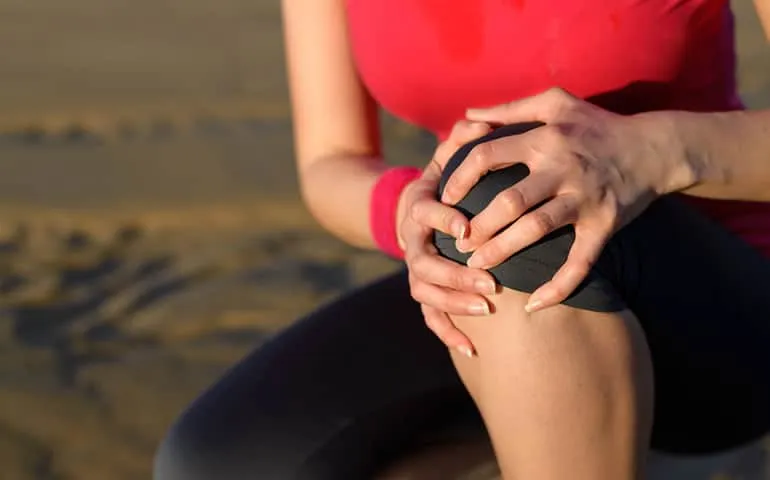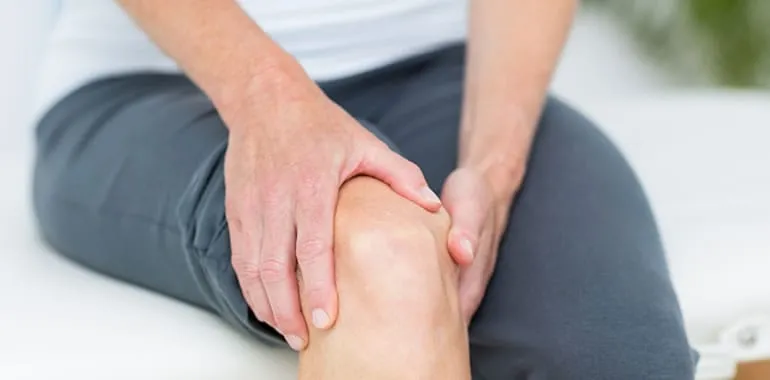
Of all the knee pain we see in the clinic, one cause comes up more than any other: pain at the patellofemoral (PF) joint — in other words, the joint where your kneecap meets your thigh bone.
What Is the Patellofemoral Joint?
The PF joint refers to your kneecap (the patella) gliding up and down a shallow groove in your thigh bone (the femur). It's easy to feel for yourself: sit with your knee out straight and your muscles relaxed, and you can gently grip the sides of your kneecap and wiggle it side to side. Now tighten your quad muscles, as if pushing your knee fully straight, and you'll feel your kneecap snug up so it can barely move. That gives you a sense of just how shallow this joint really is.
Why This Joint Causes So Much Pain
Because the joint is so shallow, it relies heavily on your muscles to keep the kneecap tracking properly as you bend and straighten your knee. When that alignment shifts, especially over a long stretch of time, pain and irritation can build up underneath the kneecap.
This kind of pain tends to get worse with specific movements: squatting down, going up and down stairs (especially down), standing up from a low chair, and even sitting for too long, since sitting pushes the kneecap back into the groove in a way that can aggravate it.
Good muscle control matters most here. Strong quadriceps help keep the kneecap tracking well in its groove, and strong hips play a bigger role than most people expect — if your hips let your knee drift inward as you squat or step down, that alone can create extra pressure on the kneecap. Since the knee sits in the middle of the leg, the health of the hip and ankle above and below it matters too. Ignoring either one, and focusing only on the knee, is often not enough to fully resolve the pain.
Three Tips to Start Feeling Better
Tip #1: Strengthen your quads and hips — this is often the single biggest lever for reducing PF pain.
Tip #2: Check your ankles. If you have low arches, supportive inserts can help take pressure off the knee above.
Tip #3: If certain activities like squatting are actively causing pain, it's reasonable to scale them back for now while you build strength elsewhere.
When to See a Physical Therapist
If you're dealing with kneecap pain on stairs, in a squat, or after sitting too long, a physical therapist can pinpoint exactly what's driving it — whether that's quad strength, hip control, foot alignment, or a combination — and build a plan around it. Our therapists at Empower Physical Therapy & Wellness treat this exact pattern regularly and can help you get back to the activities you enjoy.