IASTM in Chino Hills, Chino, & Pomona
That stubborn knot of scar tissue or tightness has shrugged off stretching, foam rolling, and rest. IASTM uses precise, tool-assisted pressure to break up what is stuck, so real movement and lasting relief finally follow.
What is IASTM?
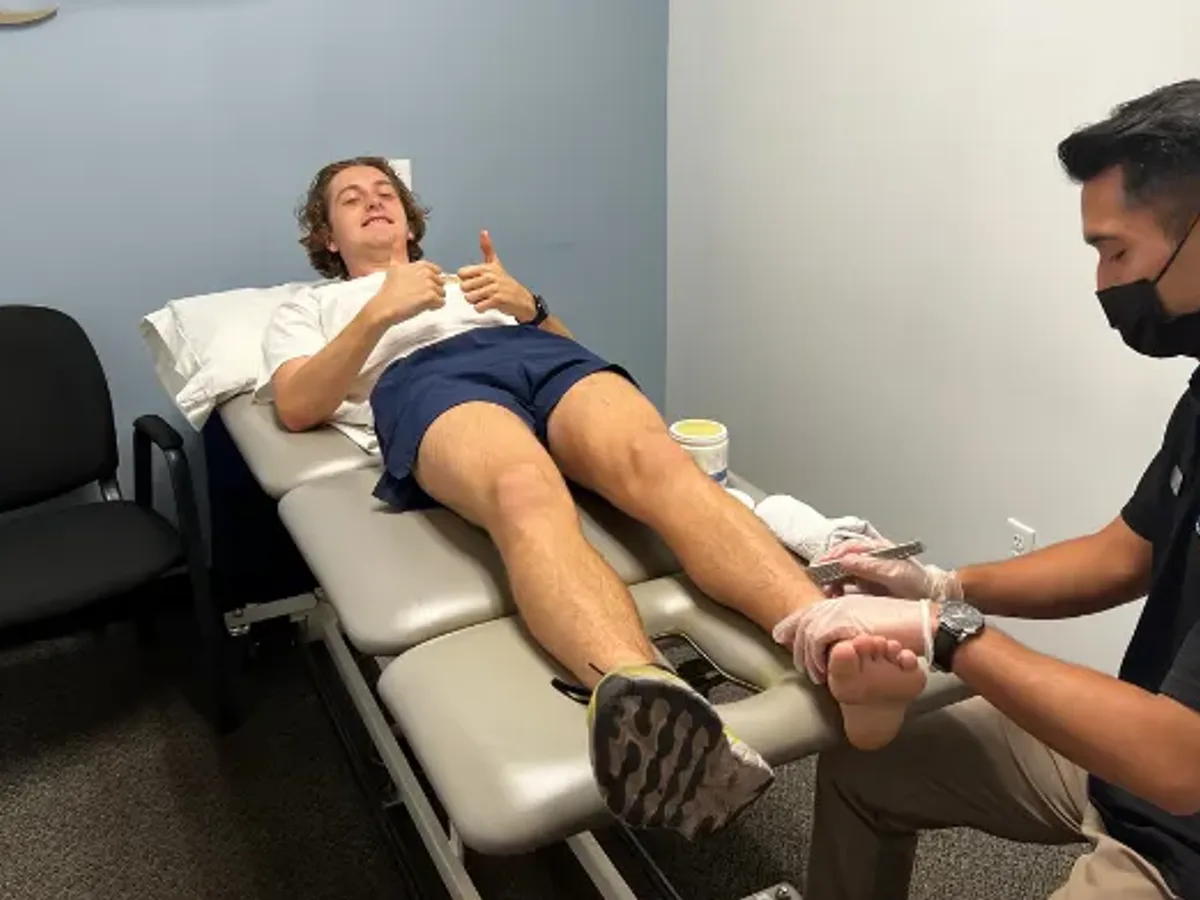
Instrument-assisted soft tissue mobilization, or IASTM, uses specially designed stainless steel tools to find and treat restrictions hiding in muscle, tendon, and fascia. Your therapist glides the tool's edge across the skin, using it almost like an extension of their hands to feel for the tight bands, adhesions, and scar tissue that a scan will never show. Because the edge concentrates pressure into a small, precise area, it can reach and treat exactly what is restricted in a way that hands alone often cannot, even old scar tissue and chronic adhesions that have resisted months of stretching or massage. The technique creates a small, controlled response in the treated tissue that helps kick-start your body's own repair process where healing has otherwise stalled. What makes IASTM effective at Empower is the same thing that makes every treatment here effective: full attention from a therapist who has mapped your tissue over multiple visits, not a rotating set of hands applying a generic technique. An evaluation determines whether IASTM belongs in your plan, and when it does, it is layered in alongside the mobility work and strengthening that make the release actually last.
IASTM also does something foam rolling and a tennis ball at home cannot: it applies calibrated, directional pressure exactly where your tissue needs it, guided by a trained eye that can tell the difference between normal tightness and a genuine restriction. That precision, applied consistently by the same therapist who treated you last visit, is what turns a temporary loosening into a real, lasting change in how your tissue moves.
Who it's for.
IASTM is not for every ache, but for anyone carrying scar tissue, a chronic tendon problem, or a stubborn area of tightness that other treatment has not resolved, it can be the missing piece. These are the patients who benefit most.
Recovering from surgery or an old injury
Scar tissue from a past surgery or injury can bind down healthy tissue around it, limiting motion long after the incision has healed. IASTM breaks up that scar tissue and the adhesions it leaves behind, restoring glide between layers that have been stuck together for months or years. Many patients are surprised how much motion returns once that restriction is addressed directly.
Living with a stubborn tendon condition
Tennis elbow, golfer's elbow, plantar fasciitis, and other chronic tendon issues often involve thickened, disorganized tissue that rest alone will not resolve. IASTM stimulates the tendon to remodel and heal along the loaded fibers, working alongside the eccentric strengthening that gives the tissue a reason to stay stronger this time.
Athletes managing tightness that limits performance
Repetitive training builds up tight bands and restrictions in muscle and fascia that quietly limit range of motion and power, even without an acute injury. IASTM breaks up that tightness so your training and mobility work can actually take hold, instead of fighting the same restriction week after week.
What to expect in a session.
IASTM sessions are brief, targeted, and always paired with active work. Here is what a typical treatment looks like.
Assessment and tool selection
Your therapist evaluates the tissue by feel, comparing it to the surrounding area and the other side of your body, to identify exactly where the restriction lives. From there, they choose the tool and edge best suited to the area and depth of tissue involved.
Instrument-assisted treatment
Your therapist applies the tool in controlled strokes across the restricted area, adjusting pressure and angle based on how the tissue responds. You will feel pressure and, at times, mild discomfort over the tightest spots, but it should never be sharp or unbearable.
Mobility work and follow-up care
Treatment is followed immediately by stretching or targeted exercise while the tissue is warmed up and more receptive to change. You may notice mild redness or tenderness afterward, both of which are normal and typically resolve within a day or two.
IASTM is not appropriate over open wounds, recent fractures, active infections, or in patients with an active blood clotting disorder. Tell your therapist about any skin conditions, recent surgeries, or medications like blood thinners before your first session so they can adjust or avoid treatment in that area as needed.
Jason was an amazing physical therapist and really helped me recover from my sprained ankle. He took the time to explain the exercises and made sure I understood the recovery process.
Where to go next.
Manual Therapy
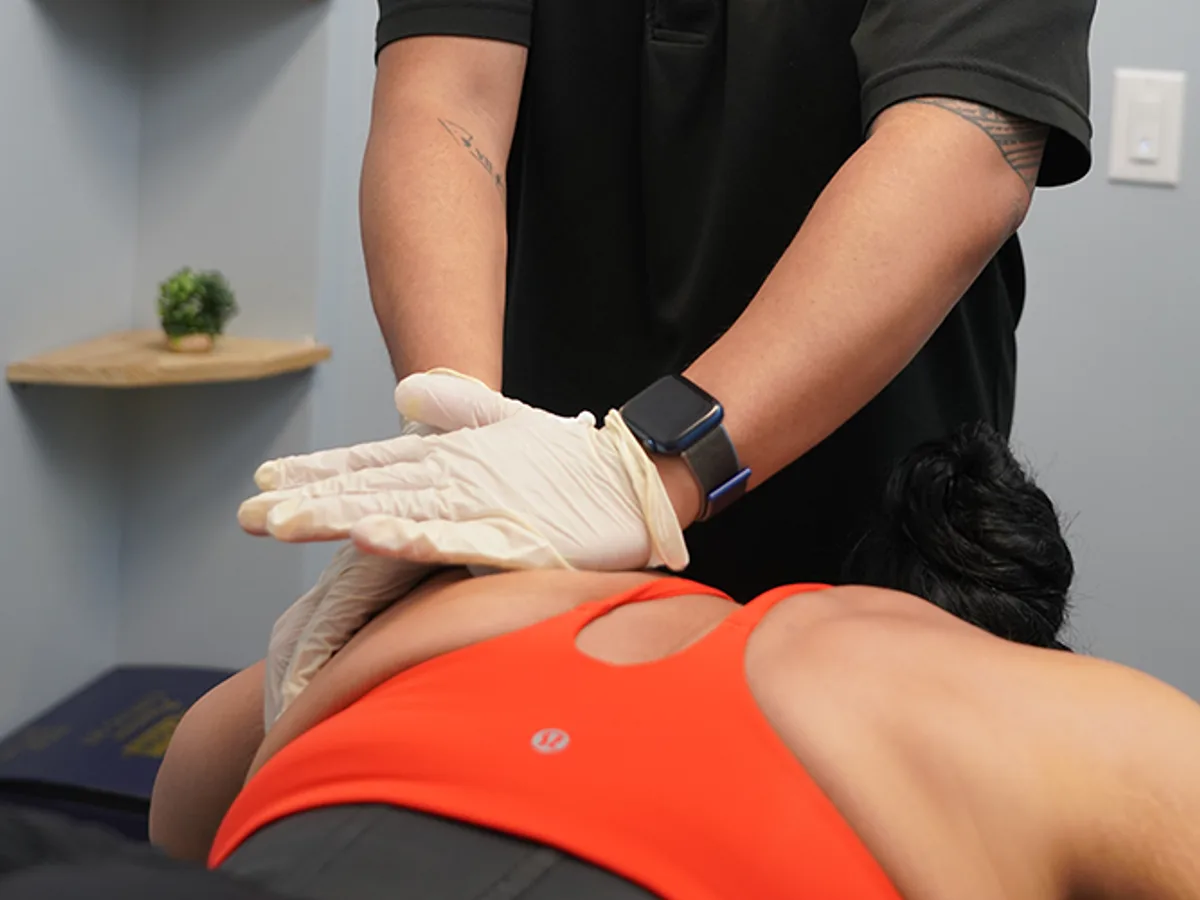
Skilled hands-on techniques to release restrictions and restore movement where you need it most.
Cupping
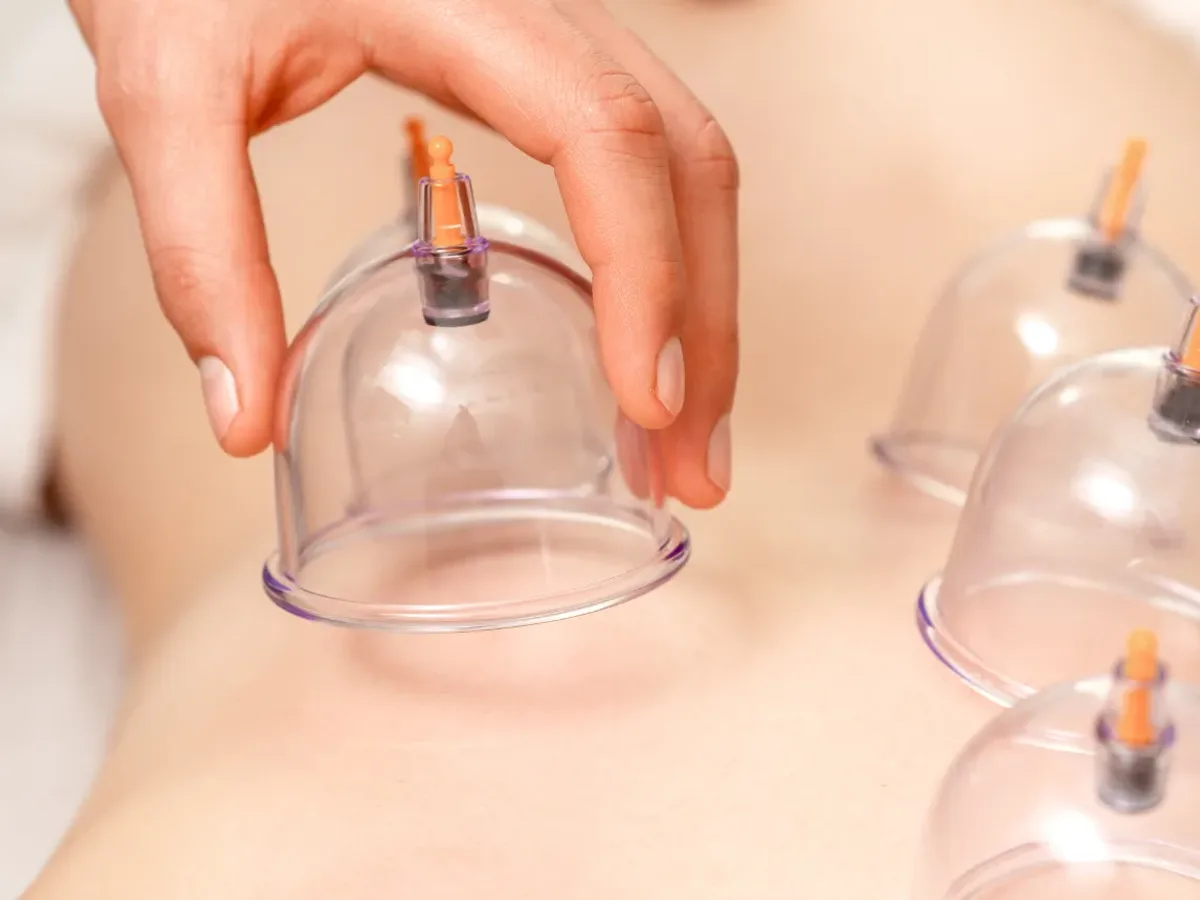
Decompressive cupping therapy that lifts tight tissue and improves blood flow to speed recovery.
Orthopedic Therapy
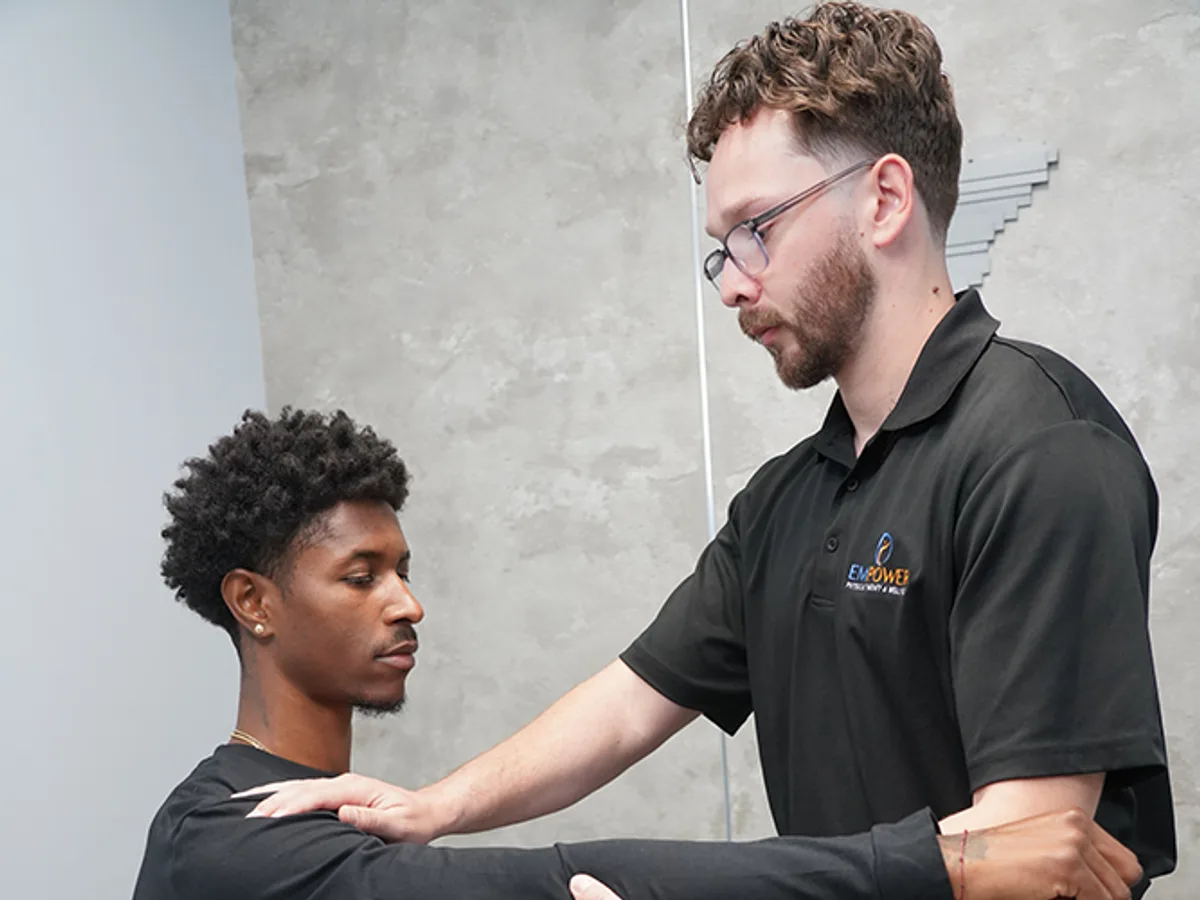
Guided recovery and strengthening after an orthopedic injury or surgery, built around your goals.