When Friday rolls around, it's common to feel a wave of relief that the stress of the work week is behind you, at least for a couple of days. Stress has a pretty bad reputation, but here's something that might surprise you: stress itself isn't always the enemy.
Not All Stress Is Bad
There are two broad types of stress: eustress and distress. Eustress is the kind that comes with something like starting a new job or passing a big test — it can feel a lot like adrenaline, and it can actually keep you motivated. Distress is what most people mean when they say they're "stressed": too much of that activated state, for too long, until your body starts reacting to it differently.
How Chronic Stress Turns Into Physical Pain
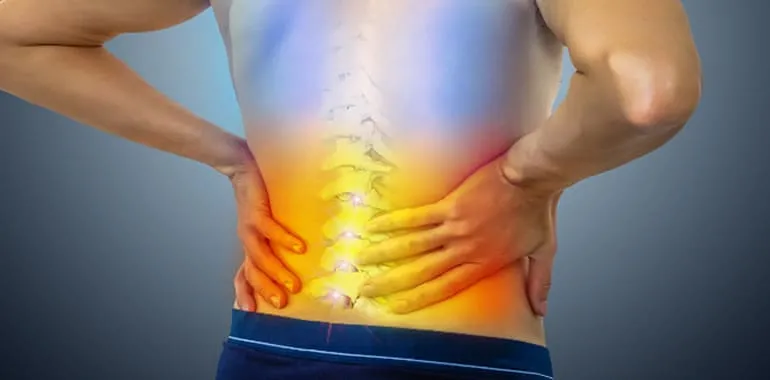
When you're stressed, your body shifts into "fight or flight" mode, releasing adrenaline and cortisol as part of a natural survival response. That's fine in short bursts. The problem is staying in that state too long, which can lead to headaches, an upset stomach, and muscle tension. If that tension sticks around, it can turn into back pain, because your body is still behaving as if there's an ongoing threat, even when there isn't.
Three Ways to Keep Stress in Check
Express your feelings. Talking things through, or simply writing down your worries, gives your mind somewhere to put them instead of carrying them silently. It's okay to be emotional about it — once a feeling has been expressed, it tends to lose some of its grip.
Make time for something you enjoy. A lot of stress builds quietly because we feel like there's no time for the things that actually bring us joy. Making space for a hobby you've been putting off, even briefly, can meaningfully lower the overall load.
Move your body, and your mind. Exercise doesn't have to mean running. Yoga combines slow movement and breathing in a way that directly helps release the muscle tension behind a lot of stress-related back pain, and works well morning or night. Meditation is another option — it pulls your attention out of worry about the future and back into the present, which is often where the stress starts to loosen its grip.
When to See a Physical Therapist
If stress-related tension has settled into ongoing neck, shoulder, or back pain that isn't easing up on its own, that's a good sign it's time for a closer look. Our physical therapists at Empower Physical Therapy & Wellness can help release that tension and get you a plan for lasting relief.