Fallen Arches Treatment in Chino Hills
Fallen arches, or flat feet, don't bother everyone the same way. When yours starts causing pain, especially during activity, physical therapy is one of the most effective ways to rebuild support and get moving comfortably again.
What causes fallen arches?
Fallen arches, also known as flat feet, is a common condition where the arches of the foot sit lower than usual, flattening the sole. It can be caused by a variety of factors, including genetics, injury, and certain medical conditions. Flat feet don't cause discomfort for everyone. Many people go their whole lives without a problem, while others develop real pain, particularly during physical activity, as the foot absorbs more load than it's built to handle.
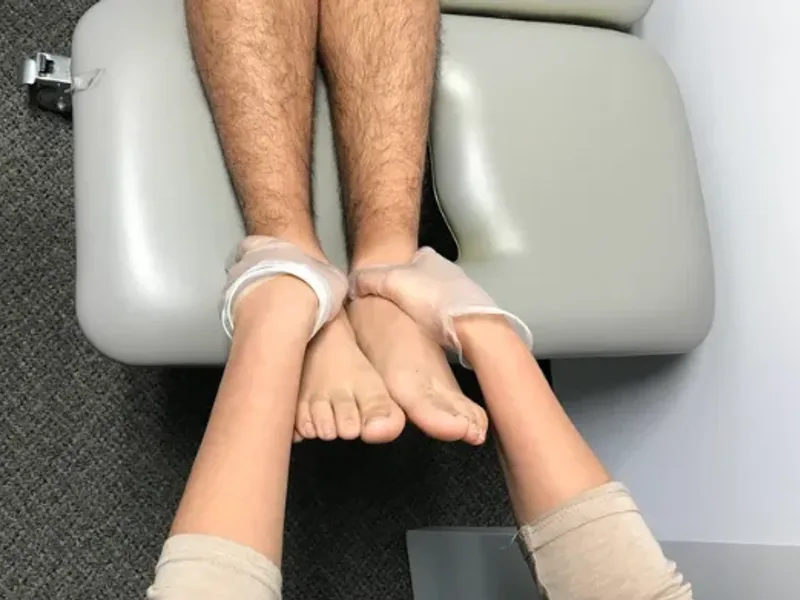
For many people, a lower arch is simply how their feet are built. Arch height and foot shape run in families, and a naturally low or flexible arch can flatten further under the everyday demands of standing, walking, and exercise.
Damage to the tendons and ligaments that support the arch, including sprains or strain on the tendons running along the inside of the ankle, can weaken the structures holding the arch in place and lead to gradual flattening of the foot over time.
Some conditions affecting connective tissue, joints, or nerve function can change how weight travels through the foot, contributing to fallen arches. An evaluation helps determine whether something like this is playing a role in your specific case.
How physical therapy in Chino Hills helps.
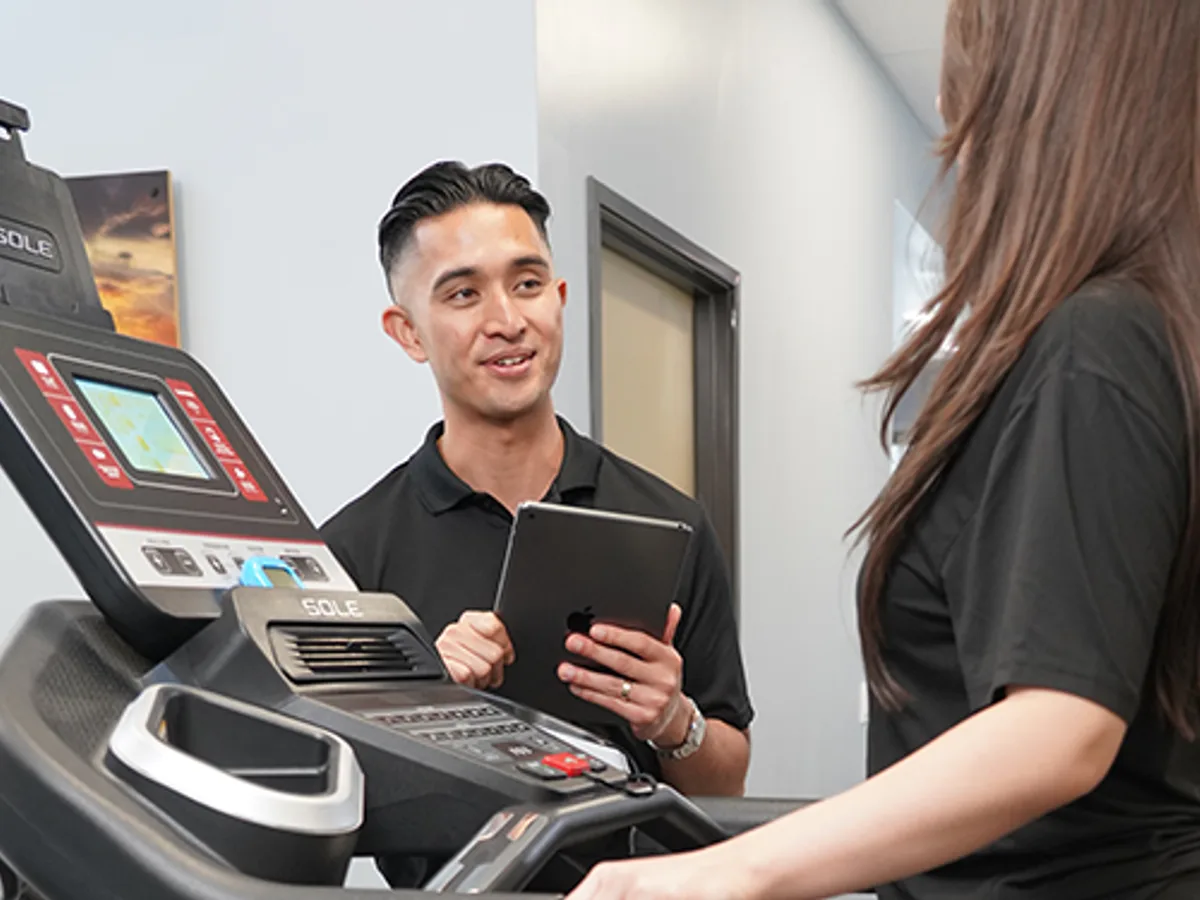
Physical therapy for fallen arches typically combines exercises and stretches aimed at strengthening the muscles and tendons in the feet and ankles, so the arch has more support and stability from the structures around it. Strengthening work often includes toe curls and heel raises, while stretching, such as calf stretches and toe stretches, helps loosen tight muscles that contribute to a flattened arch and limited flexibility. We may also recommend orthotics or shoe inserts for additional support and cushioning, and use gait analysis to identify issues in the way you walk, like poor posture placing extra pressure on the arches, that may be adding to the problem. Every plan is tailored to your specific foot, your activity level, and your goals, with the same therapist guiding you visit to visit.
What to expect from your recovery.
Evaluation and gait analysis
Your first visit includes a full assessment of your foot mechanics, arch structure, and gait to identify what's contributing to your fallen arches and where your pain or discomfort is coming from. You leave with a personalized plan built around your specific needs and goals.
Strengthening and stretching
We build strength in the muscles that support the arch with exercises like toe curls and heel raises, and improve flexibility with calf and toe stretches. Together these help the foot handle everyday load without relying entirely on the arch itself.
Support, footwear and prevention
We talk through whether orthotics or shoe inserts make sense for your case, and cover footwear choices and daily habits that support what we've built in the clinic. The goal is a foot that can stay active without the pain flaring back up.
Support that goes beyond one visit.
Orthotics
Custom orthotics and shoe inserts add support and cushioning under the arch, correcting foot mechanics from the ground up.
Foot & Ankle Pain
Fallen arches often show up alongside other foot and ankle mechanics issues, and the two are frequently treated together.
Physical Therapy
A personalized program of strengthening, stretching, and gait training is the foundation of managing fallen arches long-term.