Ultrasound in Chino Hills, Chino, & Pomona
That deep ache in your shoulder, knee, or Achilles is not one your hands can reach on their own, no matter how much you stretch or ice it. Therapeutic ultrasound sends sound wave energy directly into that tissue, warming and stimulating it from the inside to help it heal faster.
What is ultrasound therapy?
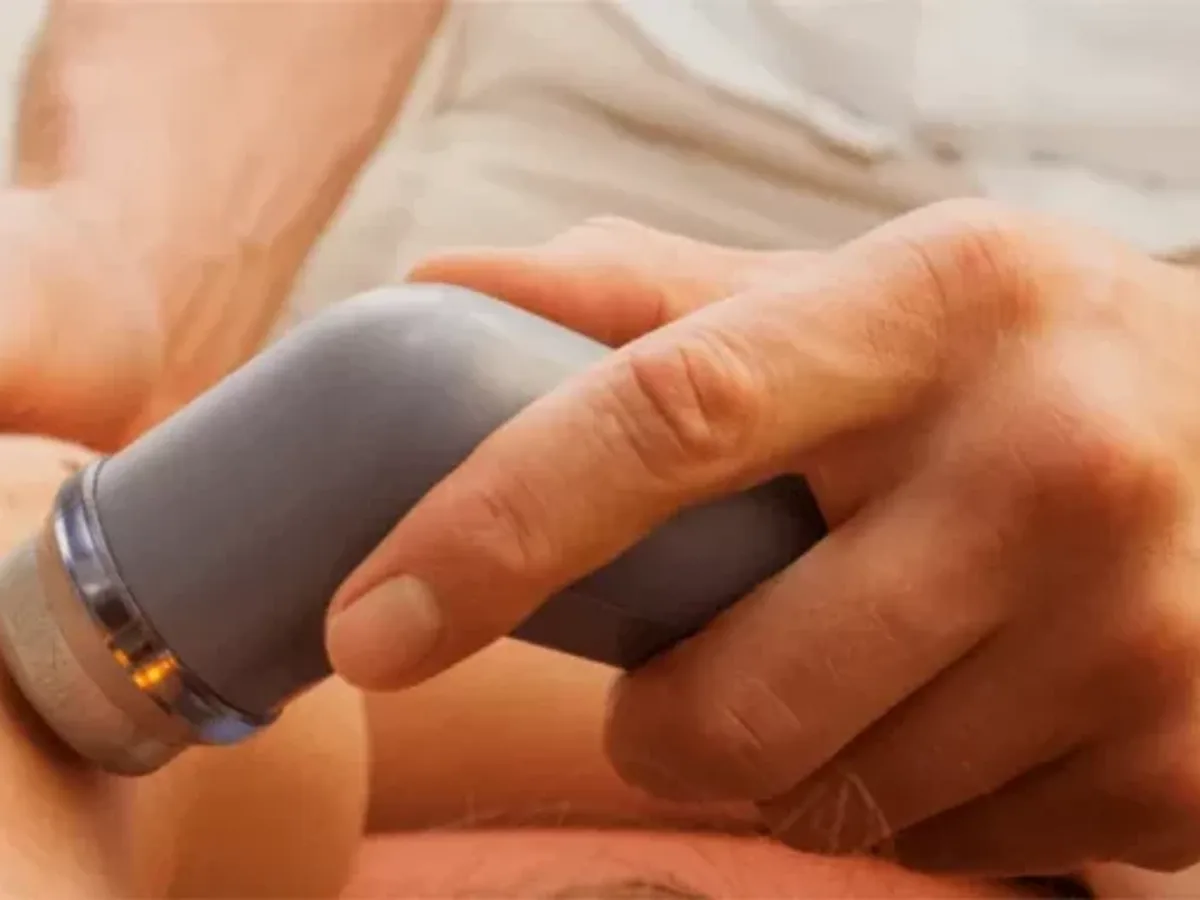
Therapeutic ultrasound is a hands-on treatment modality, not to be confused with the diagnostic ultrasound used to look at a baby during pregnancy or scan an organ. In physical therapy, a handheld wand delivers high-frequency sound waves through a layer of gel directly into muscle, tendon, and ligament tissue. Those sound waves cause tiny vibrations at the cellular level, generating gentle, deep heat that increases blood flow and helps stiff, injured tissue relax and repair. Set to a pulsed, non-thermal mode, that same sound energy can stimulate healing in a more acute injury without adding heat at all. What makes this effective at Empower is the attention behind the dial. Your therapist selects the frequency, intensity, and treatment time based on your specific injury and how deep it sits, then stays with you for the session, adjusting as your tissue responds. This is not a machine left running while you sit alone.
Ice can calm inflammation and a heat pack can loosen surface tissue, but neither reaches the depth that therapeutic ultrasound does. Delivered as part of a full treatment plan, that deeper stimulation helps tissue that has been slow to heal finally make real progress. It is rarely the only technique used in a session. Instead, think of it as groundwork: it warms and prepares tissue so the manual therapy, stretching, or strengthening that follows can do more than it would on cold, guarded muscle.
Who it's for.
Ultrasound is used when tissue sits too deep for hands-on work to fully reach, or when healing has stalled and needs a push. It is a supporting tool inside a larger plan, never the whole plan by itself. These are the situations where it helps most.
Deep tendon or ligament injuries
Achilles tendinitis, tennis elbow, and similar injuries live in dense tissue that responds slowly to rest alone. Ultrasound reaches that depth directly, increasing blood flow to tissue that has trouble healing on its own.
Stiff, restricted scar tissue
Scar tissue from a surgery or old injury can bind muscle and limit motion long after the incision has closed. Ultrasound softens and warms that tissue before manual therapy or stretching, so the work that follows goes further.
Stubborn muscle knots and trigger points
Some tight spots resist hands-on pressure no matter how long you work them. The deep vibration from ultrasound loosens tissue at a level manual pressure alone often cannot reach, making the area more receptive to treatment.
What to expect in a session.
Ultrasound sessions are quick, painless, and always paired with the rest of your treatment plan. Here is what a typical session looks like.
Skin check and gel application
Your therapist checks the treatment area and confirms ultrasound is appropriate that day, then applies a layer of gel that helps the sound waves transmit evenly into the tissue.
Steady, guided treatment
The therapist moves the ultrasound head in slow, steady strokes over the area for several minutes. You may feel mild warmth, or nothing at all, depending on the settings used for your injury.
Paired hands-on work and exercise
Ultrasound rarely stands alone. Your therapist typically follows it with manual therapy or targeted exercise while the tissue is warmed and more responsive to treatment.
Therapeutic ultrasound is not used over a pacemaker, over areas with known or suspected cancer, over the low back or abdomen during pregnancy, or over an active blood clot or infection. Your therapist reviews your health history before your first treatment to confirm it's a safe fit for you.
Empower PT has done an outstanding job helping me with my rehab process on my knee and I cannot recommend them enough.
Where to go next.
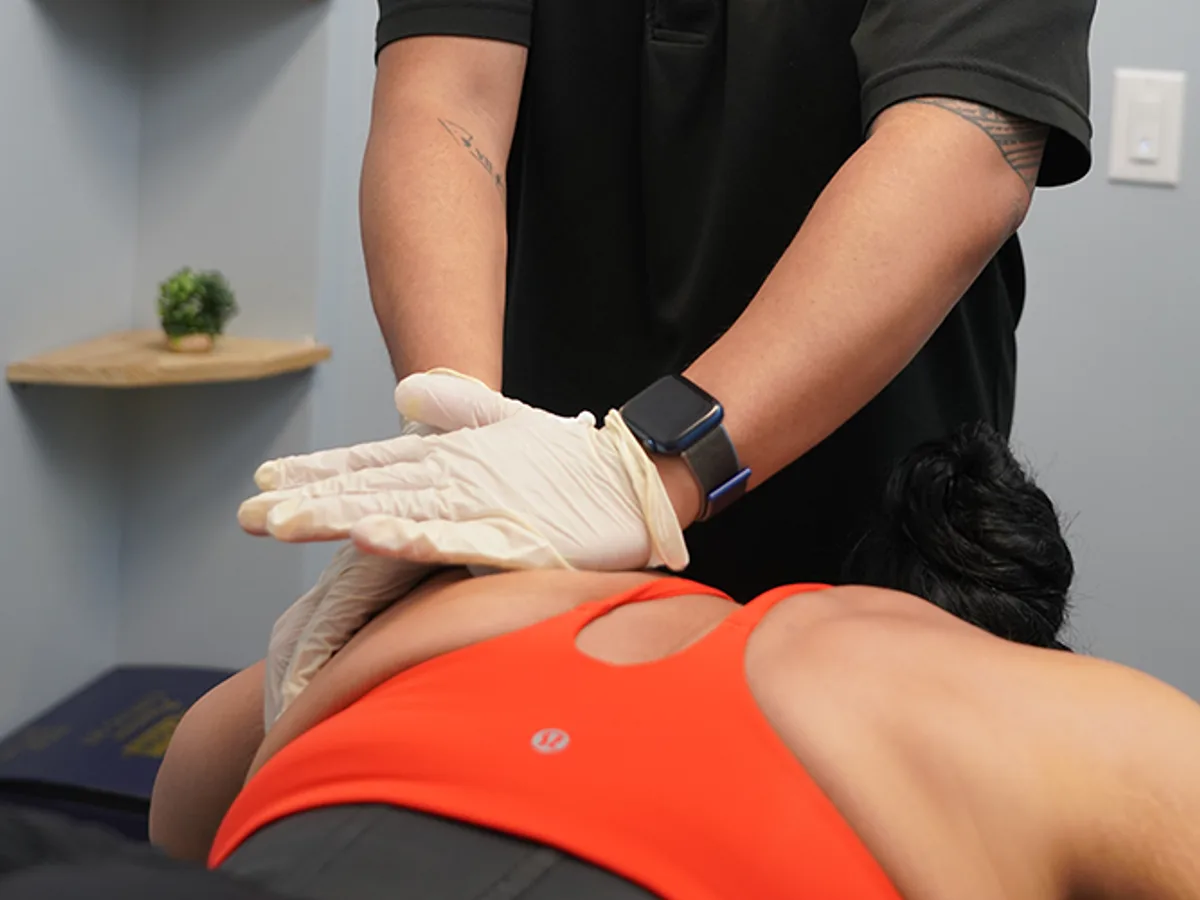
Manual Therapy
Skilled hands-on techniques that release restrictions and restore movement where you need it most.
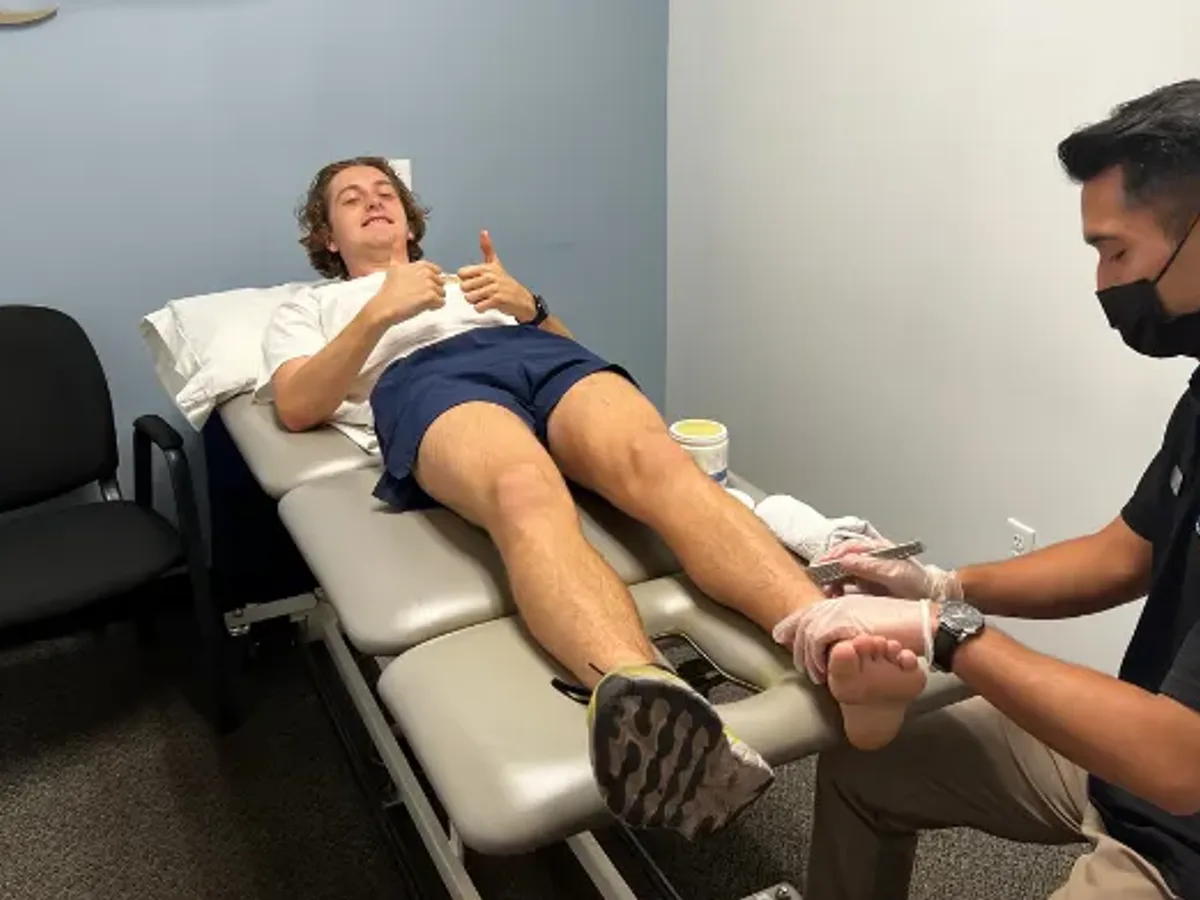
IASTM
Instrument-assisted soft tissue work that breaks up scar tissue and restores healthy movement.
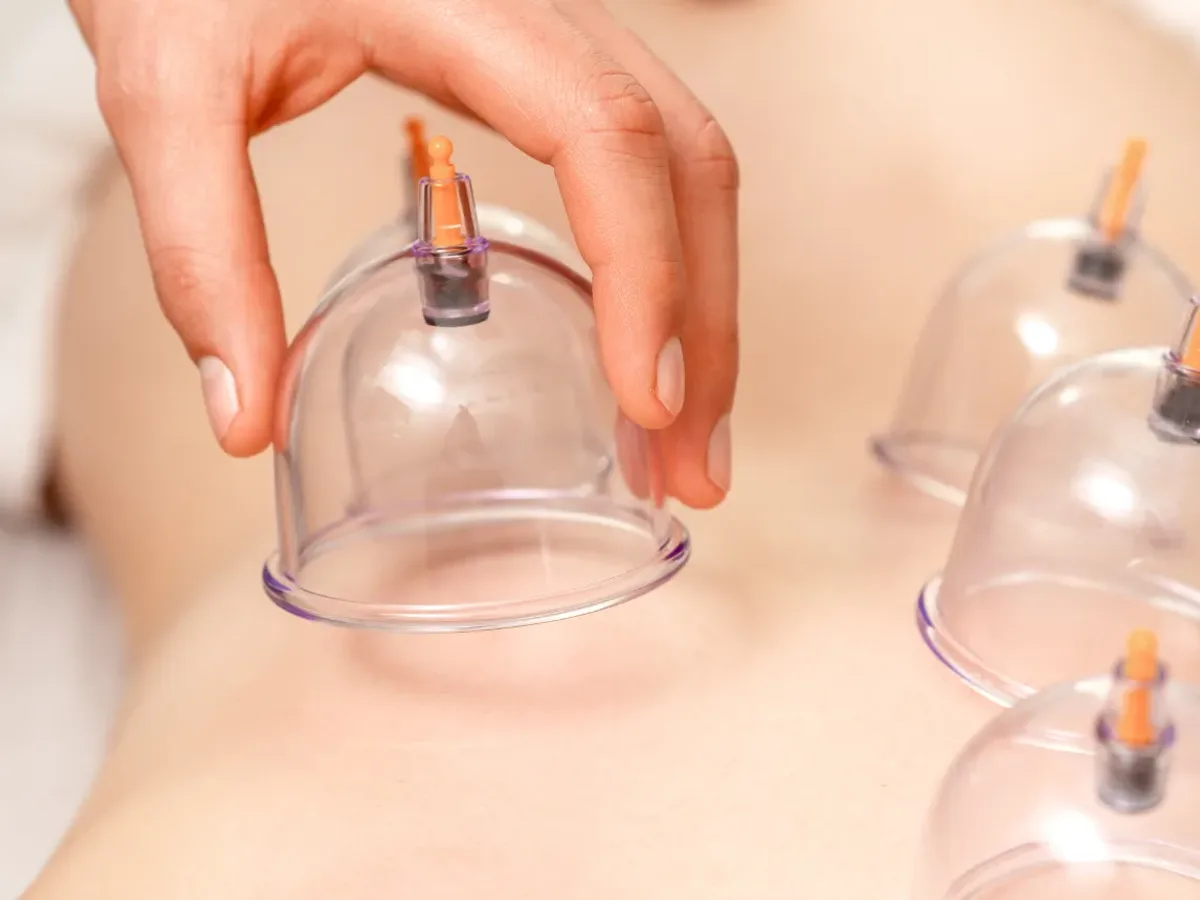
Cupping
Decompressive therapy that lifts tissue, improves blood flow, and eases tension other techniques can't reach.