Arthritis Treatment in Chino Hills, Chino, & Pomona
Arthritis does not have to mean accepting pain as your new normal. Movement and strengthening are often the most powerful tools for managing joint pain, not avoiding activity.
What causes arthritis?
Arthritis is not one condition. It is dozens of ways that joints degenerate, stiffen, and hurt. Some come from wear and tear over decades. Others come from inflammation, injury, or the body attacking its own tissues. Understanding which type you have is the first step to managing it well, and movement is almost always the answer.
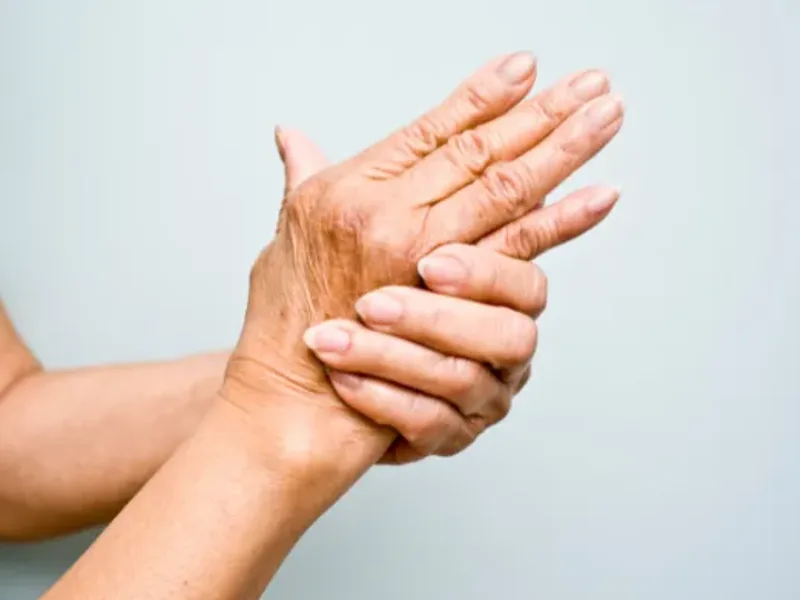
The cartilage that cushions your joints gradually wears down over years. This is the most common type of arthritis. It is not a death sentence. Joints stay healthy when they are used well. The right strengthening and mobility work keeps the surrounding muscles strong enough to protect the worn cartilage and reduce stress on what is left.
Conditions like rheumatoid arthritis involve inflammation that comes from the body's immune system attacking joint tissue. This requires medical management, but physical therapy is equally important. Movement reduces stiffness, strengthening protects the joint, and well-designed exercise programs can help manage inflammation naturally.
A fracture, sprain, or ligament tear that was not fully rehabilitated leaves the joint weaker and less stable. That unresolved injury sets the stage for arthritis years later. Proper rehab after injury is how you prevent arthritis before it starts. If you already have it, we rebuild what was broken the first time.
When you stop moving a joint because it hurts, you guarantee it will get worse. Disuse causes muscles to weaken, cartilage to stiffen, and pain to spread. Movement is the antidote. Gentle, progressive loading is what tells your joints to stay healthy and flexible, even if they have arthritis.
If you move with poor mechanics or have muscle imbalances, some joints carry more load than they should. Over time that uneven stress triggers arthritis. Fixing how you move is often the most powerful intervention. Better mechanics mean better-distributed force and less wear on the arthritic joint.
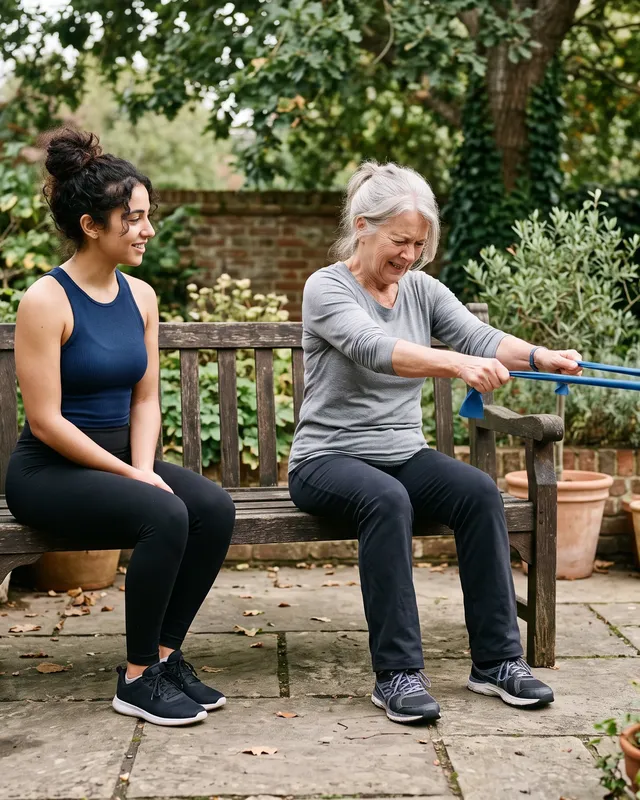
How physical therapy in Chino Hills helps.
Arthritis management is not about resting and avoiding movement. It is about moving smarter. Physical therapy restores the range of motion that arthritis steals, strengthens the muscles that protect arthritic joints, and retrains the movement patterns that may be accelerating wear. We start with hands-on therapy to reduce pain and restore mobility. Then we build a progressive strengthening program that works within your pain and gradually expands what your joints can do. The goal is not to eliminate arthritis. It is to manage pain, improve function, and prevent further degeneration. That means you stay active, keep your strength, and return to the activities that make your life worth living.
What to expect from your recovery.
Evaluation and pain reduction
We assess which joints are affected, what movement hurts, and what strength is missing. Early sessions focus on reducing pain and restoring range of motion through manual therapy and gentle, targeted movement.
Progressive strengthening and conditioning
We build strength in the muscles around your arthritic joints, working within your pain to gradually expand what you can do. This is what actually protects the joint and keeps arthritis from getting worse.
Long-term function and activity return
As pain decreases and strength increases, you return to the activities that matter to you. We teach you how to move, exercise, and manage arthritis on your own so the progress continues long after you leave.
I have been with this facility for a few years with my problems: knees, ankle, feet. Anthony is always very professional, skillful and patient. Every appointment, he adjusted my care accordingly based on my needs and progress.
Pain rarely travels alone.
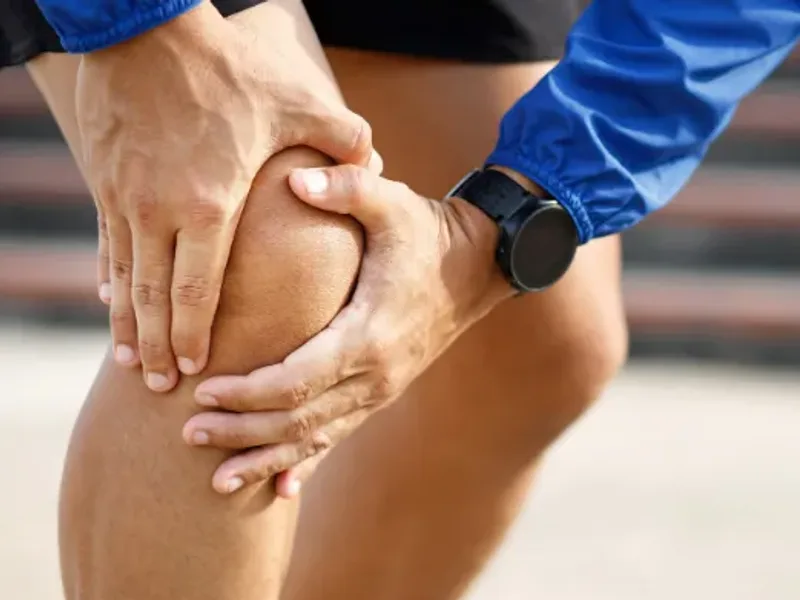
Joint Pain
Stiff, aching joints that limit your activities. We restore mechanics and build strength.
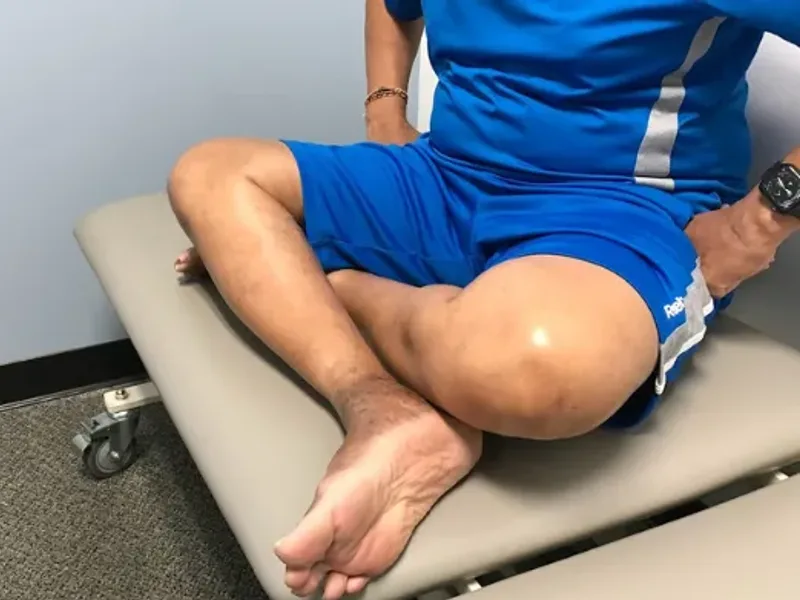
Hip & Knee Pain
When major joints fail, movement suffers. We treat the source, not just the symptom.
Chronic Pain
Long-lasting pain often needs a movement-based approach. We break the pain cycle.