Thoracic Outlet Syndrome Treatment in Chino Hills, Chino, & Pomona
The tingling, heaviness, or weakness running down your arm can make everyday tasks feel unpredictable, and it is easy to assume you will just have to work around it. A targeted plan that opens up the space around your collarbone and first rib can take the pressure off and give you your arm back.
What causes thoracic outlet syndrome?
Thoracic outlet syndrome happens when nerves or blood vessels get compressed as they pass through the narrow space between your collarbone and first rib. That compression can come from posture, anatomy, or repetitive overhead use, and it rarely improves without addressing the specific cause of the narrowing. Understanding what is closing that space down is how we open it back up.

Rounded shoulders and a forward head position pull your collarbone down and back, narrowing the space that nerves and blood vessels travel through. Sitting at a desk or looking down at a phone for hours reinforces this posture over time. The narrower the space becomes, the more pressure is placed on the structures passing through it.
Swimmers, painters, and overhead athletes repeatedly bring an arm above shoulder height, which further compresses the thoracic outlet with every repetition. Over time this repeated compression irritates the nerves or vessels running through the space. Jobs and sports requiring sustained overhead reaching are common triggers.
The scalene muscles in your neck and the pectoralis minor in your chest form part of the walls around the thoracic outlet. When these muscles are tight or overworked, they narrow the passage further, adding to the compression placed on the nerves and vessels running through it.
Some people are born with an extra rib above the first rib, or a longer bony process on a neck vertebra. These variations reduce the amount of space available from the start, meaning it takes less additional tightness or poor posture to trigger symptoms.
A whiplash injury, a fall onto the shoulder, or repetitive strain from heavy lifting can cause swelling, scar tissue, or muscle guarding around the thoracic outlet. That added tissue further narrows the space and can bring on symptoms that were not present before the injury.
When the muscles that hold your shoulder blade in a good position are weak, the shoulder tends to droop and roll forward, closing down the thoracic outlet. Building strength in these stabilizers is often central to relieving compression and keeping it from returning.
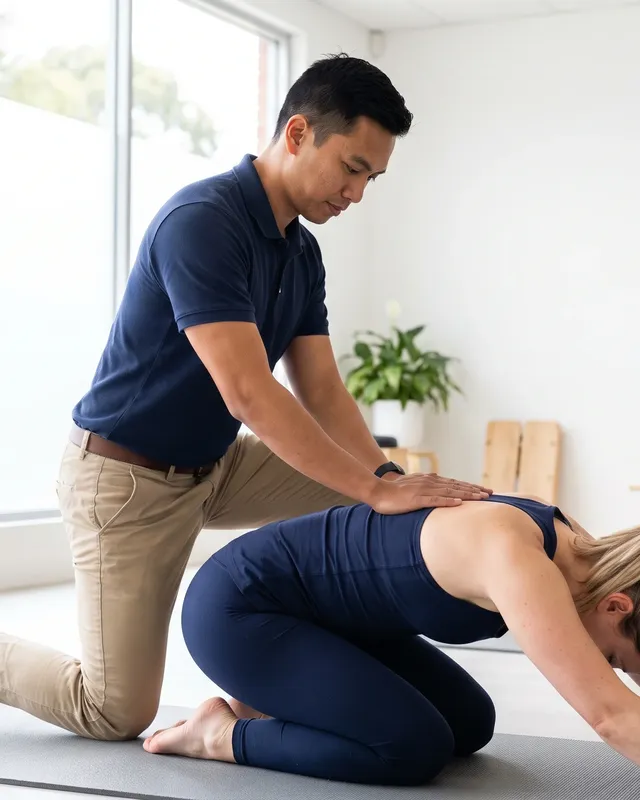
How physical therapy in Chino Hills helps.
Thoracic outlet syndrome usually responds well to conservative care before more invasive options are considered. Our approach starts with identifying exactly where the compression is coming from, whether that is posture, muscle tightness, or weakness, because the treatment for each looks different. We use hands-on techniques to release tight scalene and chest muscles and free up restricted tissue around the collarbone and rib, paired with postural retraining that keeps the space open between sessions. From there, we build strength in the muscles that support good shoulder and neck alignment so the improvement holds. Every plan is built around your specific compression pattern, with the same therapist adjusting your program as your symptoms change rather than handing you a generic postural checklist.
What to expect from your recovery.
Evaluation and symptom mapping
Your first visit maps out exactly which nerves or vessels are affected and what postures or activities bring symptoms on. We test your neck, shoulder, and arm to pinpoint where the compression is happening. You leave with a clear understanding of what is driving your symptoms.
Manual therapy and postural correction
We use manual therapy to release tight muscles around your neck, chest, and collarbone, paired with postural retraining to open the thoracic outlet during daily activities. This phase focuses on giving compressed nerves and vessels room to recover. Most people notice symptoms easing as the space opens back up.
Strengthening and long-term management
As symptoms calm down, we build strength in the muscles that support your shoulder blade and neck so your posture holds without constant effort. We also address the activities or habits that narrowed the space in the first place. You leave with a plan for keeping the pressure off long after treatment ends.
I have nothing but rave reviews for Empower Physical Therapy. Truly a game-changer for my recovery.
Pain rarely travels alone.
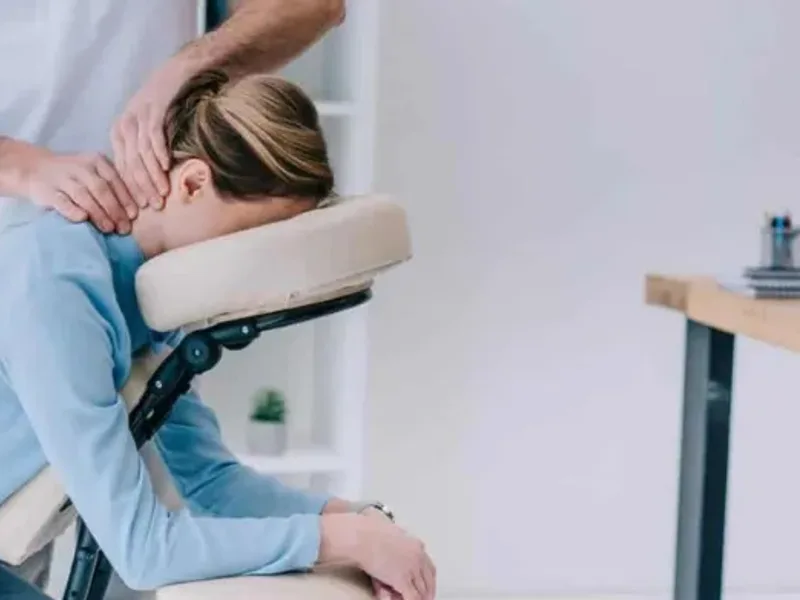
Neck Pain
Tight neck muscles are often part of what narrows the thoracic outlet in the first place. We treat the neck and the compression together.
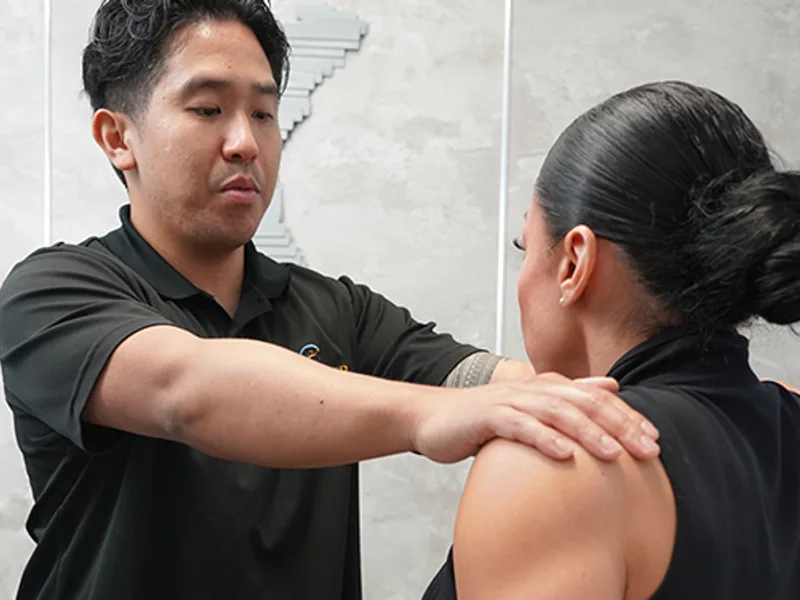
Shoulder Pain
Poor shoulder posture and thoracic outlet syndrome frequently feed each other. We address alignment throughout the whole shoulder girdle.
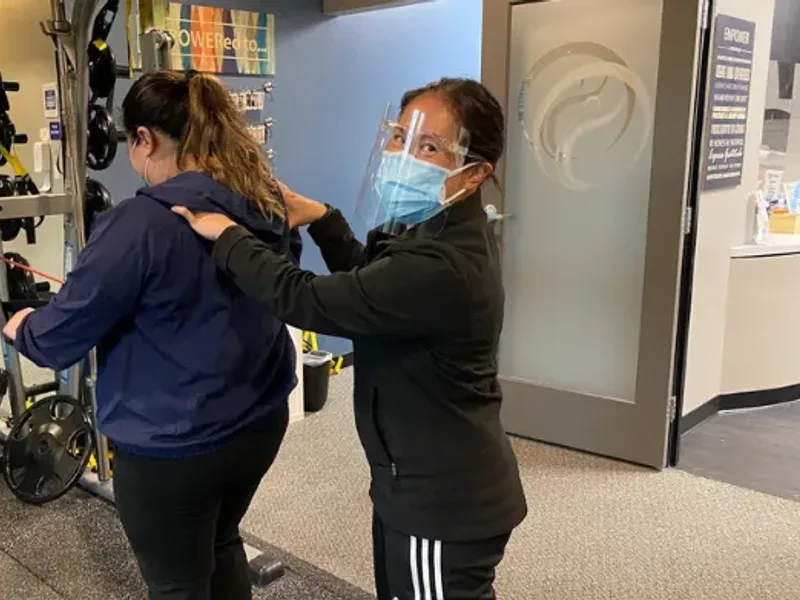
Elbow, Wrist & Hand Pain
Nerve compression at the thoracic outlet can cause symptoms that travel all the way down to the hand. We trace the problem back to its source.