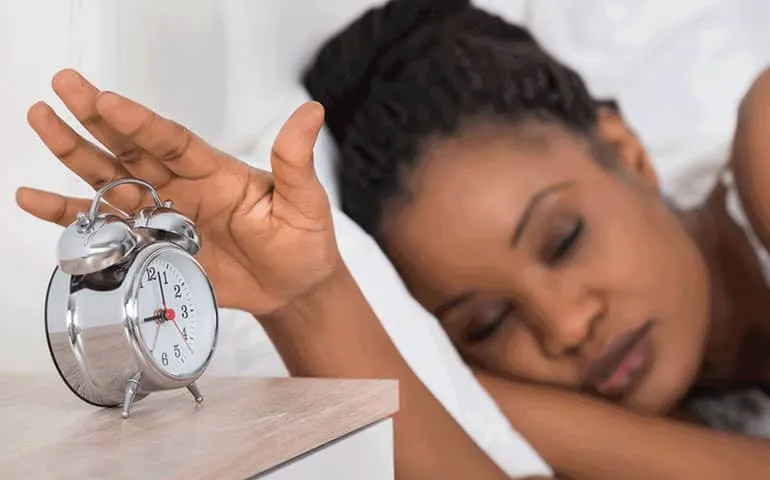
Believe it or not, most people spend too much time in bed. It's easy to assume that more time asleep means more energy, but that's often not the case. The alarm goes off, and for a moment all you want to do is stay wrapped up and warm, hitting snooze for just ten more minutes. For a lot of us, mornings feel like a chore, and it's a little-known fact that spending more than 7 to 8 hours in bed isn't actually good for you.
Why Mornings Feel So Hard
A few habits tend to make mornings harder than they need to be: not enough sunlight, an unbalanced diet, too much time on the couch in the evening, and not enough exercise. All of that adds up to the common mistake of thinking the answer to more energy is simply more sleep. In reality, oversleeping tends to leave you feeling more tired, not less, unless there's an underlying medical condition or unusual sleep deprivation at play.
Find the Light
Melatonin is the hormone your brain produces to regulate sleep. When it's dark, your body produces more of it, making you feel sleepy. When it's light, melatonin production drops. If you struggle to wake up, open your curtains to let natural light in as soon as you can. In winter, when the sun rises later, an illuminating alarm clock can help wake you gradually with light instead of a jarring alarm sound.
Stay Hydrated and Eat a Real Breakfast
Your body is roughly 60% water, and a full night of sleeping, sweating, and breathing without drinking anything leaves you dehydrated by morning. Dehydration reduces alertness and mental focus, so keeping a glass of water by your bed and drinking it as soon as you wake up can make a noticeable difference. Eating breakfast matters too. A breakfast high in processed sugar leads to a quick energy crash, while one with natural carbohydrates, fats, and protein helps alertness last through the morning.
Get Moving and Make It a Habit
Music that releases feel-good chemicals can help set a better tone for your day, and getting active first thing — even something as simple as a short walk or a few stretches — gets your blood moving and boosts those same feel-good chemicals. Most adults do well on 6 to 7 hours of sleep a night. If you're currently getting 9 or more, cutting back may leave you groggy at first, but sticking with it for about 30 days can turn it into a habit that leaves you with more energy, and more time in your day.
When to See a Physical Therapist
If pain, stiffness, or discomfort is part of what's making mornings hard — whether that's getting out of bed or getting moving once you're up — that's worth addressing directly. Our therapists at Empower Physical Therapy & Wellness can help identify what's holding you back and build a plan to help you move more comfortably, morning included.