Spinal Manipulation in Chino Hills, Chino, & Pomona
You have been living with stiffness that stretching alone will not fix, joints that feel stuck no matter how you move. Spinal manipulation restores the motion your spine is missing so pressure comes off the nerve and the pain finally has a reason to ease.
What is spinal manipulation?
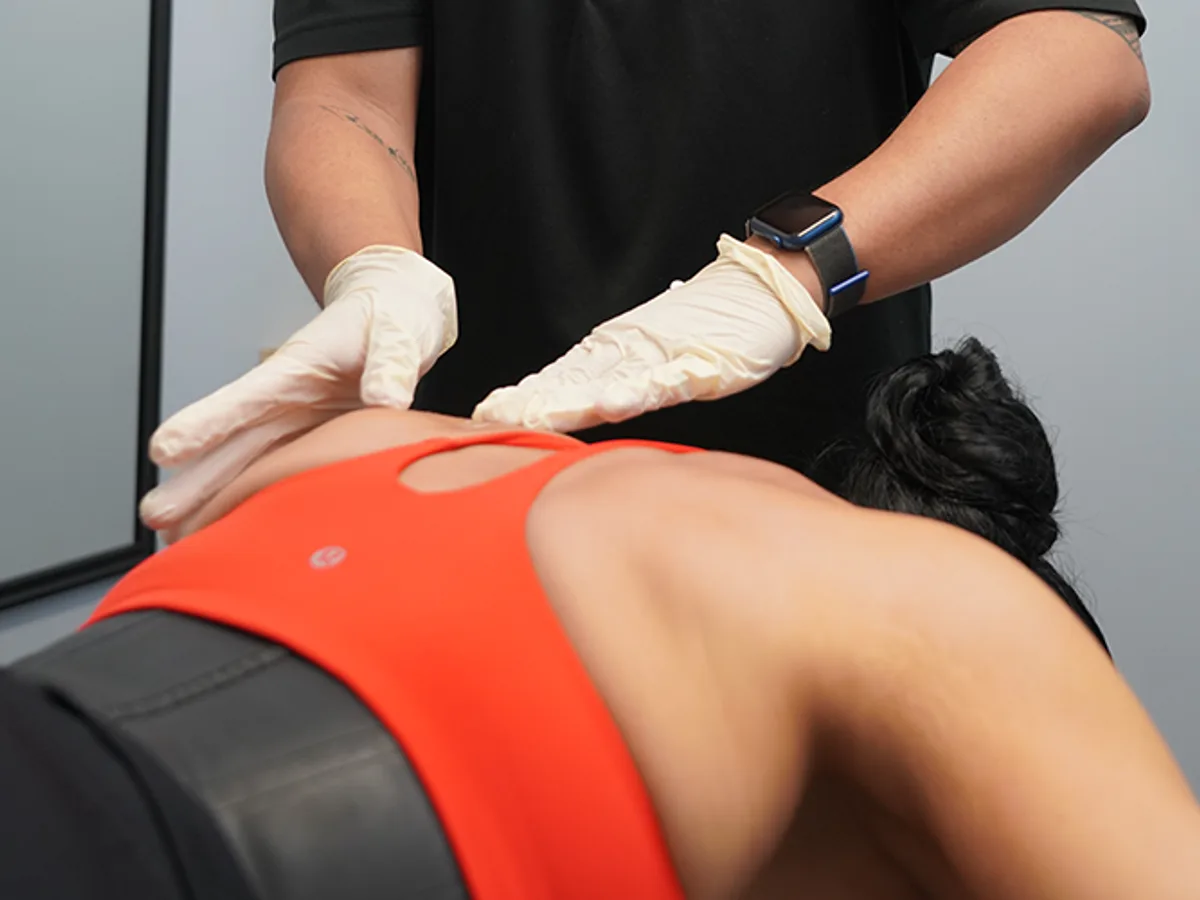
Spinal manipulation is a targeted, hands-on technique in which a trained therapist applies a quick, controlled force to a specific spinal joint that has lost its normal range of motion. When a segment of your spine stops gliding the way it should, the surrounding muscles tighten to protect it, nearby joints get overworked to compensate, and nerves passing through that area can become irritated. A precise, well-timed thrust restores motion to that stuck joint in an instant. The pop or click you may hear is simply gas releasing from the joint fluid, not anything breaking or shifting out of place, and it is often followed by an immediate sense of looser, freer movement. What separates real spinal manipulation from a quick adjustment is the evaluation behind it. Your therapist spends real time assessing which segment is actually restricted, rules out anything that would make manipulation inappropriate, and only then applies force in the exact direction your spine needs. Nothing here is generic or rushed.
Rest will not restore motion to a joint that has locked up, and medication only mutes the ache that joint is causing. Spinal manipulation addresses the mechanical problem directly, and paired with the rest of your treatment plan, that improved motion holds instead of fading by the next morning.
Who it's for.
Spinal manipulation is not something we reach for automatically. It is used when an evaluation shows a specific spinal joint has lost mobility and that restriction is driving your symptoms. Here is who benefits most.
Neck stiffness that won't loosen up
Turning your head to check a blind spot or look over your shoulder shouldn't feel like a fight. When restricted joints in the neck are the source of that stiffness, manipulation restores the missing motion directly, often loosening the area within a single visit and giving your neck exercises something to build on.
Low back pain tied to a stuck joint
Bending, twisting, or standing up from a chair aggravates a low back that has stopped moving evenly. We locate the specific segment that isn't gliding correctly and restore its motion, easing the guarding and muscle spasm that restriction was causing.
Headaches that start in the neck
Some headaches begin with restricted joints at the base of the skull and upper neck, referring pain forward into the head. Restoring motion at those levels can quiet the headache at its source instead of only managing the pain once it arrives.
What to expect in a session.
Manipulation is never the first thing that happens in a session, and it is never done without a clear reason. Here is what a visit involving spinal manipulation typically includes.
Movement assessment and screening
Your therapist checks how each segment of your spine moves, identifies exactly which joints are restricted, and reviews your health history for anything that would make manipulation inappropriate. This screening happens every time, not just at your first visit.
A precise, controlled adjustment
Once a target segment is confirmed, your therapist applies a quick, controlled force in the exact direction that joint needs. The motion is brief, and most people feel an immediate sense of release in the treated area.
Reassessment and movement work
Your therapist rechecks the joint's motion right away, then follows with exercises that reinforce the new range and teach your body to maintain it between visits, so the improvement doesn't fade overnight.
Spinal manipulation is not appropriate for everyone, and your therapist screens for that before it is ever used. It is not performed on fractures, severe osteoporosis, spinal instability, active infection, or certain neurological red flags such as numbness in the saddle area or sudden loss of bladder or bowel control. Tell your therapist about any of these or about blood thinner use so your evaluation stays accurate and safe.
I had been dealing with neck pain for a couple of months and previously tried another PT, but didn't see much improvement. Everything changed when I came to Empower and I haven't had any neck pain since!
Where to go next.
Manual Therapy
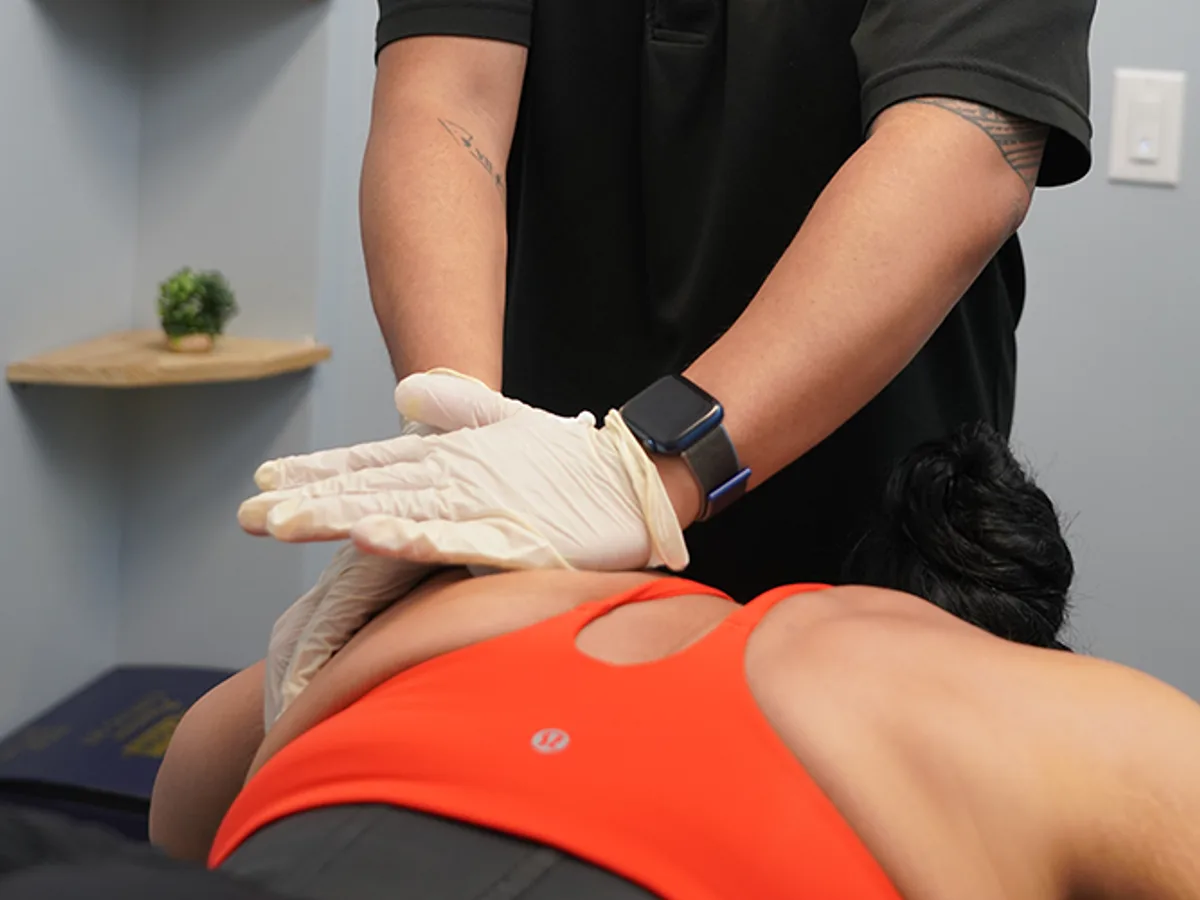
Skilled hands-on techniques that release restrictions and restore movement where you need it most.
Orthopedic Therapy
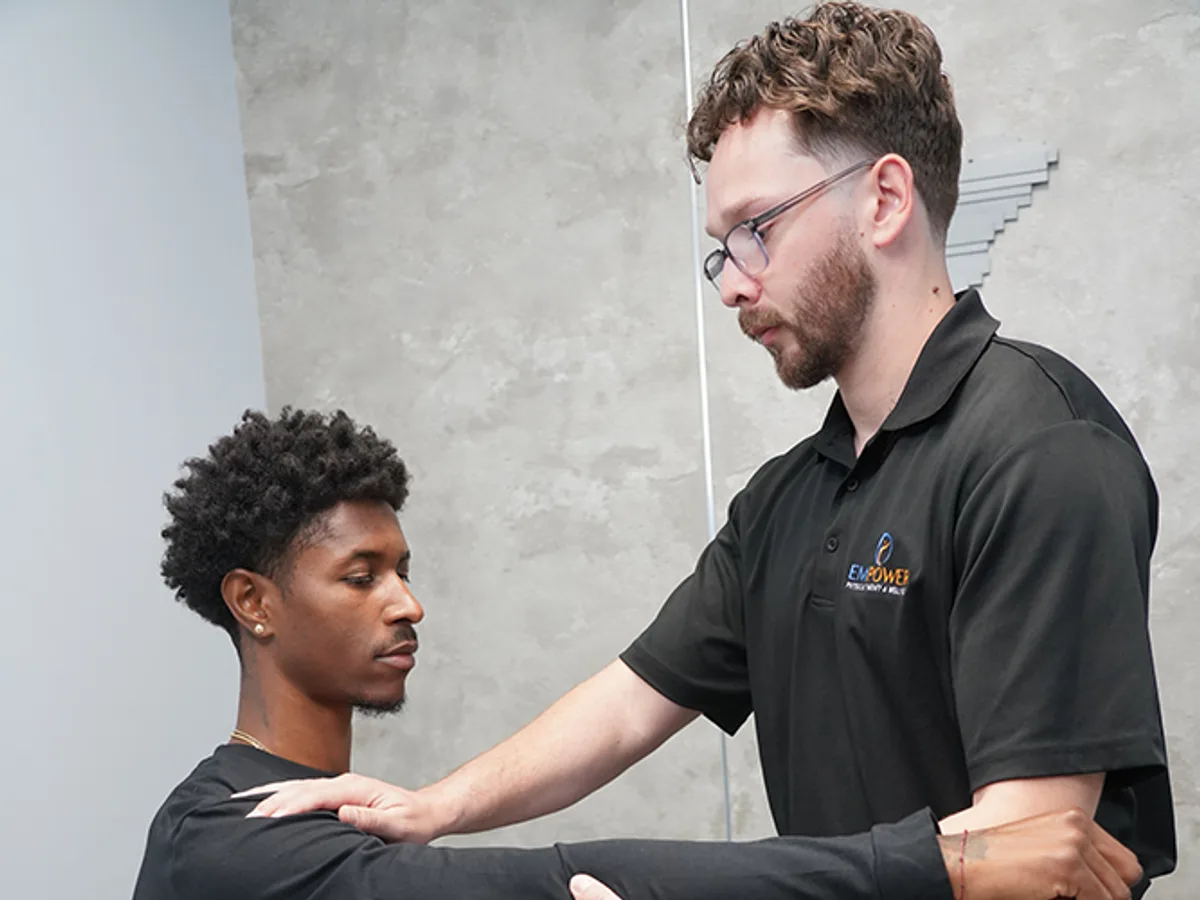
Targeted care for muscle, joint, and bone conditions, from post-op recovery to everyday strain.
Physical Therapy
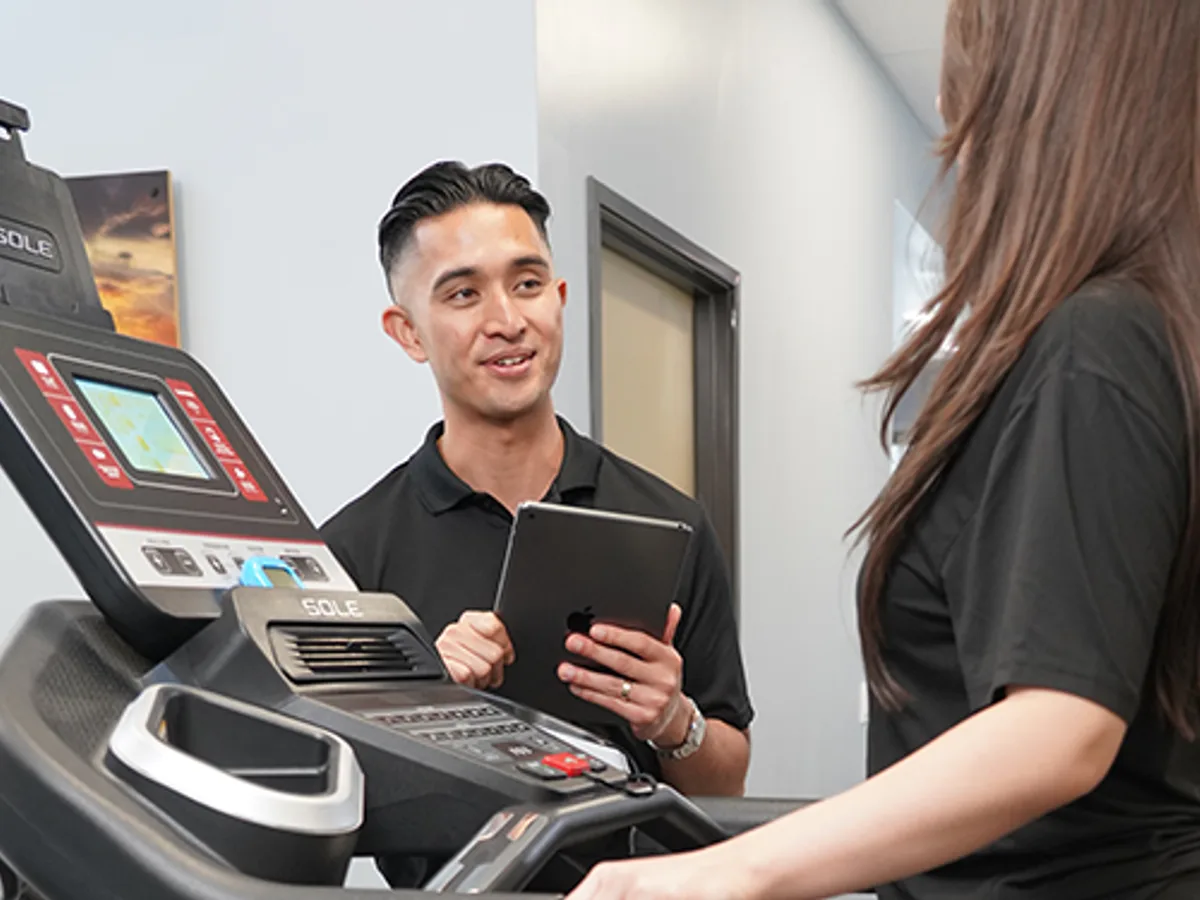
One-on-one care from a Doctor of Physical Therapy, built around what's actually driving your pain.