Vestibular Therapy in Chino Hills, Chino, & Pomona
Dizziness has started running your day, making you brace against walls and dread turning your head too fast. Vestibular therapy retrains the balance system in your inner ear and brain so solid ground feels solid again.

What is vestibular therapy?
Vestibular therapy is specialized rehabilitation for the balance system inside your inner ear and the way your brain interprets signals from it, your eyes, and your joints to keep you steady. When that system is thrown off by an inner ear issue, a concussion, or simply age, the mismatch between what your eyes see and what your inner ear reports can produce dizziness, spinning, or a persistent sense of unsteadiness. A vestibular-trained therapist identifies exactly which part of that system is misfiring, then uses specific head and eye movements, positioning maneuvers, and balance exercises to retrain it. For some conditions, like positional vertigo, a single precise maneuver can resolve symptoms almost immediately. For others, progress comes through repeated, guided exposure that teaches your brain to compensate. Because every case of dizziness has a different root cause, this only works with real one-on-one attention. Your therapist tracks exactly which movements provoke your symptoms and how you respond session to session, then adjusts your program accordingly instead of handing you a generic sheet of exercises.
Medication can take the edge off dizziness for a few hours, but it does nothing to retrain the faulty signal underneath it. Vestibular therapy is the only approach that actually recalibrates the system, which is why the improvement holds up long after the exercises end.
Who it's for.
Vestibular therapy helps anyone whose balance system is sending the wrong signals, whatever set it off. These are the people we see most often.
Dizziness triggered by certain head positions
Rolling over in bed or looking up at a shelf sets off a spinning sensation that passes in less than a minute. This is often benign positional vertigo, and a specific repositioning maneuver can resolve it in one or two visits.
Ongoing imbalance and fall risk
You feel unsteady on uneven ground, or you've had a close call or a fall you can't quite explain. We retrain your balance system and build the strength and confidence to move through your day without that constant worry.
Dizziness after a concussion or inner ear injury
A head injury or ear infection left you with lingering fog, unsteadiness, or motion sensitivity that hasn't resolved on its own. Guided vestibular exercises retrain the brain's compensation and move you past the symptoms that rest alone hasn't fixed.
What to expect in a session.
Every vestibular program starts with figuring out exactly what's misfiring before we touch a single exercise. Here is what that process looks like.
Detailed history and balance testing
Your therapist asks specific questions about when and how your dizziness happens, then runs you through eye movement, positional, and balance tests to pinpoint the source.
Guided retraining exercises
You'll work through head, eye, and balance exercises designed to retrain the system, or a specific repositioning maneuver if positional vertigo is the cause. Some exercises briefly provoke mild dizziness, which is a normal and expected part of the retraining process.
Home program and progression
You leave with a short, specific home routine and a plan for how it will progress as your symptoms improve, checked and adjusted at each visit so you're always working at the right level.
Wear flat, comfortable shoes you can move safely in, since balance work is part of nearly every session. Some exercises can briefly stir up dizziness in the moment, which is a normal sign the retraining is working rather than a setback, and your therapist will always walk you through what to expect before you start.
As a deaf patient, communication is very important to me, and they went above and beyond to make sure I felt comfortable and understood. The staff were patient, attentive, and made every session easy to follow.
Where to go next.

Physical Therapy
One-on-one care from a Doctor of Physical Therapy, built around what's actually driving your pain.
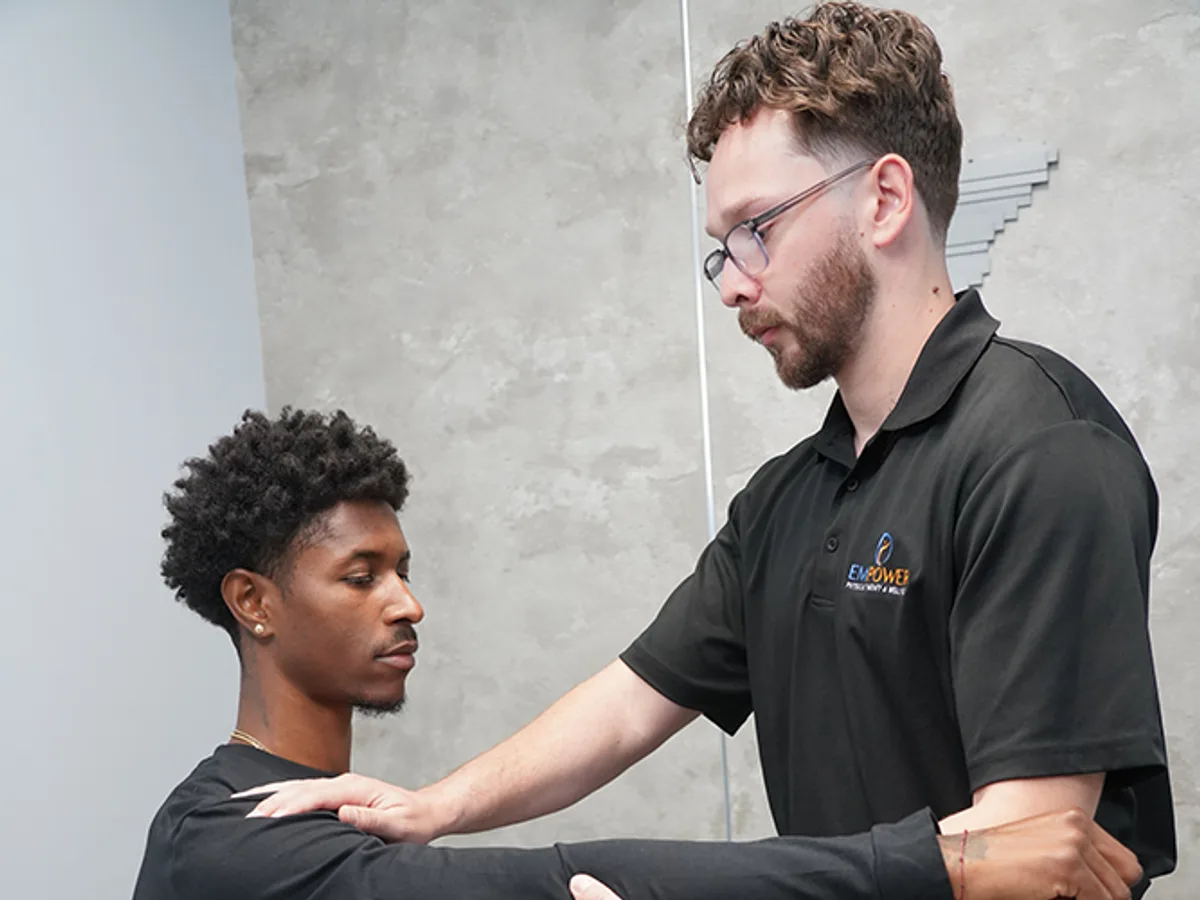
Orthopedic Therapy
Targeted care for muscle, joint, and bone conditions, from post-op recovery to everyday strain.
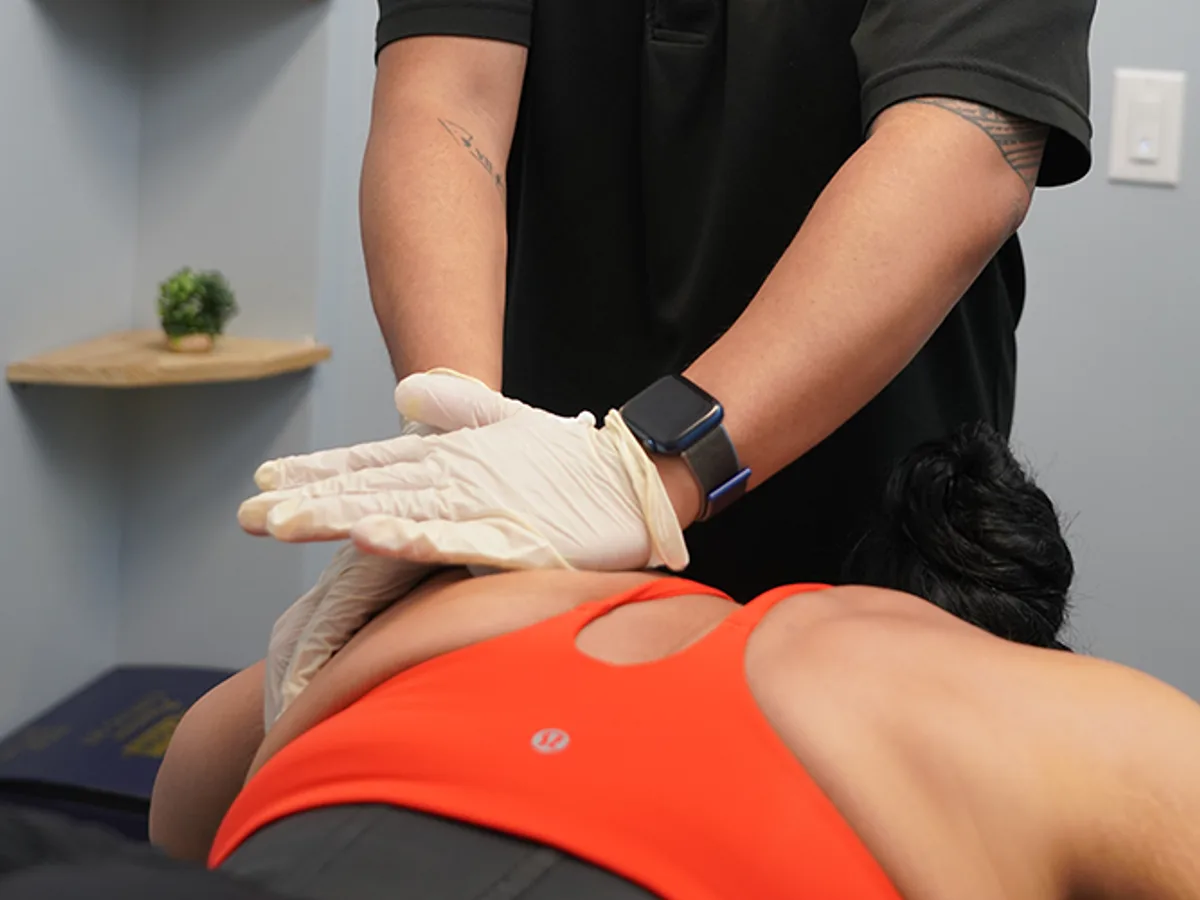
Manual Therapy
Skilled hands-on techniques that release restrictions and restore movement where you need it most.