Knee Replacement Surgery Treatment in Chino Hills, Chino, & Pomona
The stiffness and swelling that follow knee replacement can make the first weeks feel discouraging. That is a normal part of healing, not a sign something went wrong. The right rehab plan is what turns those early weeks into the bend, strength, and confidence you had the surgery to get back.
What leads to knee replacement surgery?
Knee replacement is usually the result of years of joint damage that conservative treatment could no longer manage. The path there can come from steady wear, disease, an old injury, or a combination of all three. Understanding what damaged your knee helps us anticipate exactly what your rehab needs to rebuild.
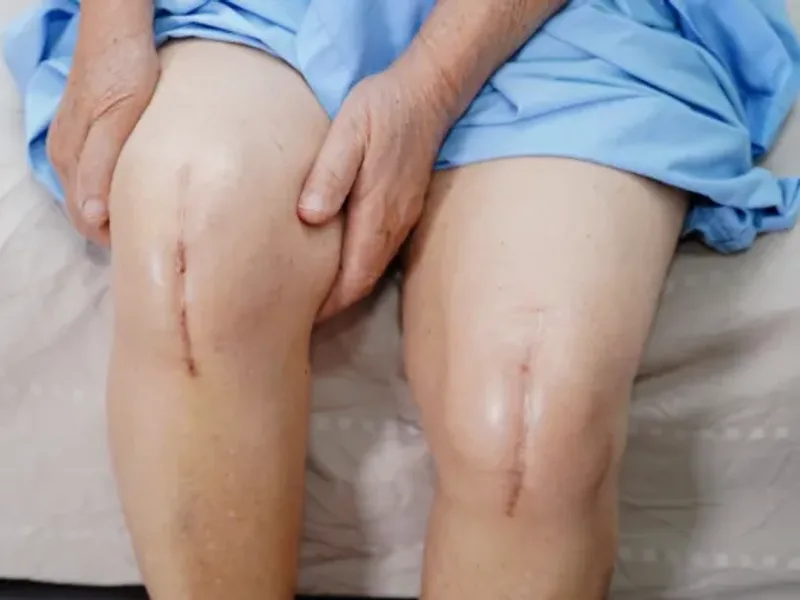
Osteoarthritis is by far the most common reason people need a knee replaced. The cartilage that cushions the joint wears thin over years of use, eventually leaving bone to grind against bone. Once that cartilage is gone, pain, stiffness, and swelling become part of daily life, and no amount of rest reverses it.
Rheumatoid arthritis is an autoimmune condition that causes the body to attack the lining of its own joints, driving chronic inflammation that erodes cartilage and bone. Because it can affect the knee earlier in life than typical wear-and-tear arthritis, it sometimes leads to significant joint damage well before a person expects to need surgery.
A serious knee injury, even one that healed reasonably well at the time, can change the joint surfaces enough to accelerate arthritis years or decades later. Fractures, ligament tears, and cartilage damage all raise the long-term risk of the joint wearing out ahead of schedule.
A bowlegged or knock-kneed alignment concentrates body weight on one side of the joint instead of distributing it evenly. Over years, that uneven load wears down cartilage on one side of the knee much faster than the other, often leading to arthritis and joint damage earlier in life.
The meniscus and ligaments help distribute load evenly across the knee and keep it stable. Once they are torn or removed, the joint surfaces bear more direct stress than they were built for, and cartilage wear tends to speed up as a result.
When blood supply to the bone beneath the knee's cartilage is disrupted, the bone tissue can begin to die. As the joint surface collapses, arthritis develops quickly, sometimes requiring replacement sooner than typical wear-and-tear arthritis would.
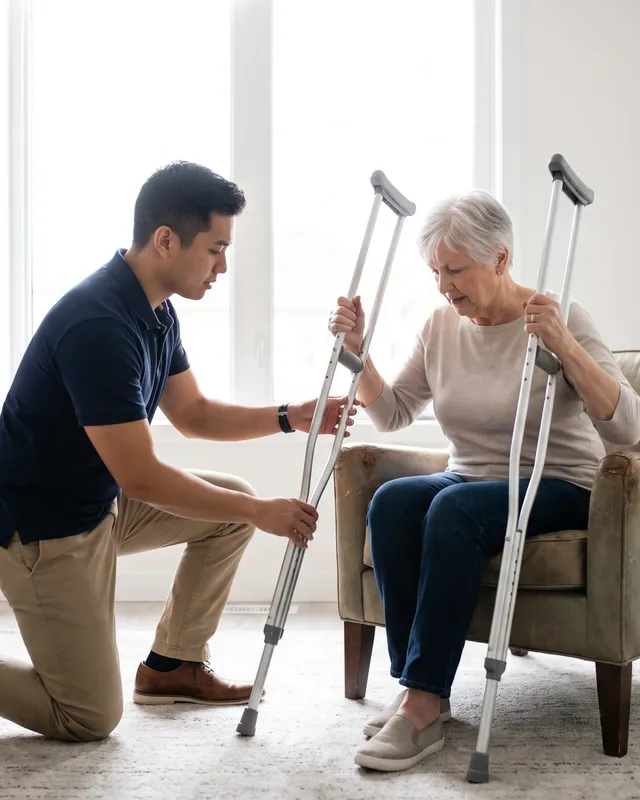
How physical therapy in Chino Hills helps.
Knee replacement recovery is not just about bending the knee, it is about relearning to trust it under real weight again. Early on, we focus on controlling swelling, restoring range of motion, and waking up the quad muscle that surgery temporarily shuts down, since that muscle is what protects the joint on every step. From there we rebuild strength and retrain a normal walking pattern so you are not compensating around the new joint. This is one-on-one care with the same therapist from your first visit to your last, adjusting your plan to your surgery and your progress rather than running you through a generic timeline. Our goal is getting you back to walking, climbing stairs, and moving through your day without thinking twice about your knee.
What to expect from your recovery.
Evaluation and early motion
We assess your swelling, range of motion, and quad activation, then guide you through safe early movement to restore bend and extension. You leave your first visit with a clear picture of your recovery timeline.
Strength and gait retraining
We rebuild the quad and hip strength that supports the new joint and correct any limp or compensation pattern before it becomes a habit. This is where your walk starts to feel normal and steady again.
Return to full activity
As strength and confidence build, we progress you toward stairs, longer walks, and the activities you were missing, with a plan built around your goals rather than a one-size-fits-all timeline.
After my knee surgery, I was nervous about the long recovery ahead, but the entire team made the process not only manageable, but truly inspiring. Jason, Justin and Anthony each played a part in my progress and I'm grateful for their support.
Pain rarely travels alone.
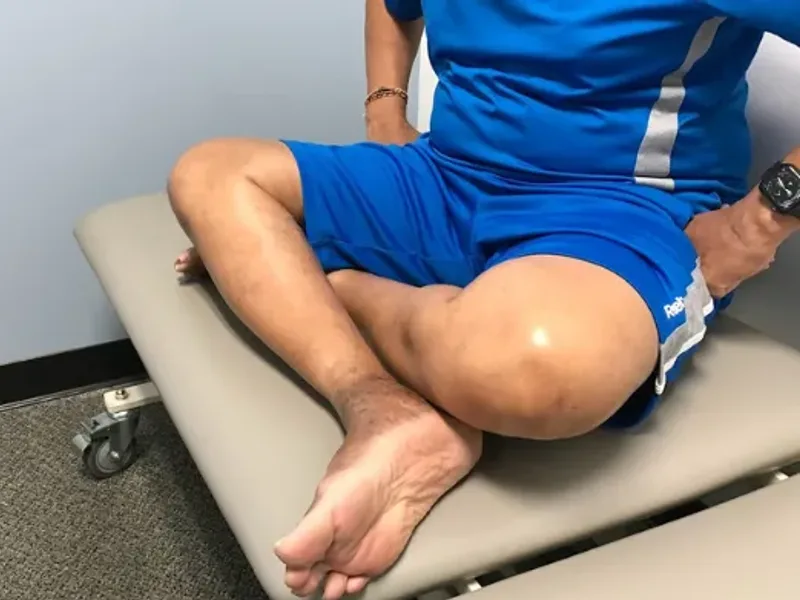
Hip & Knee Pain
The hip and knee share the same load-bearing chain. If pain has spread to the joint above or below your new knee, we treat the whole picture, not just one joint.
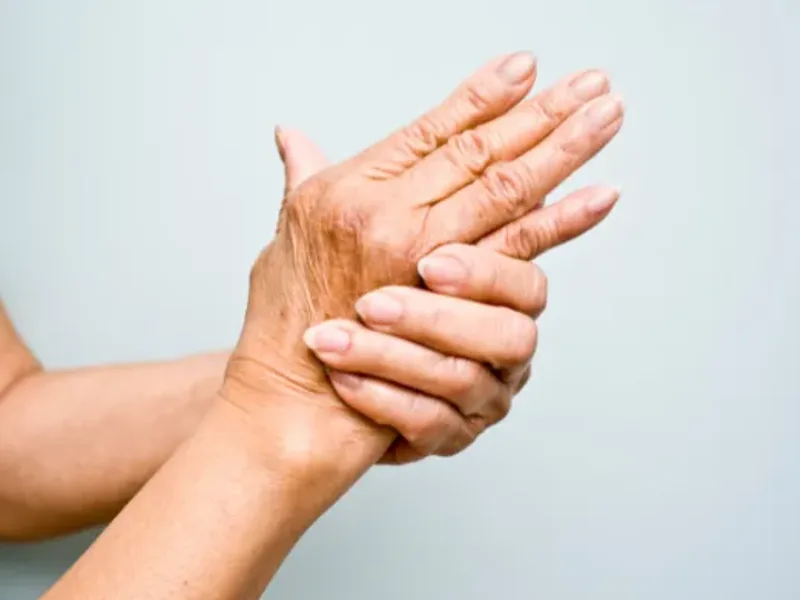
Arthritis
Arthritis is often what led to your knee replacement, and it does not stop affecting your other joints once the new knee is in place.
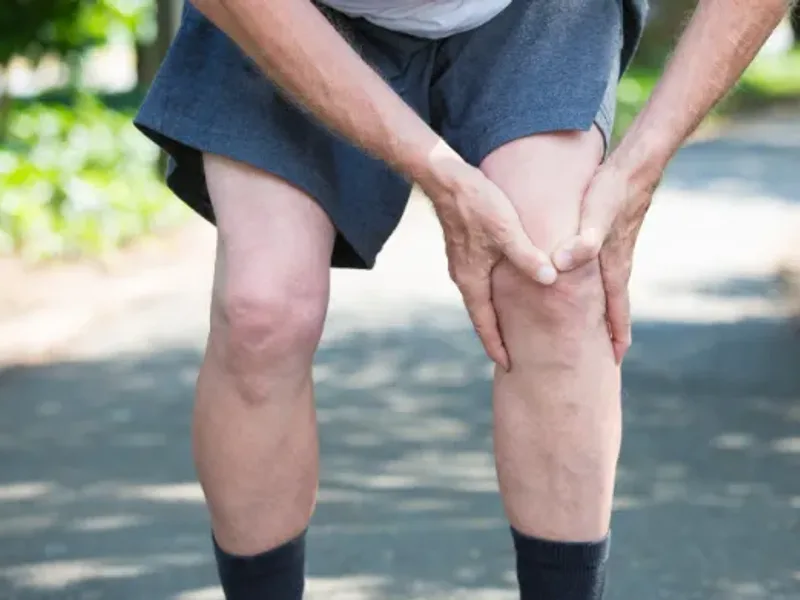
ACL Tear
An old ACL injury is one of the paths that can lead to knee replacement years later. We treat ligament injuries early to protect the joint for the long run.