Rotator Cuff Tears Treatment in Chino Hills, Chino, & Pomona
A shoulder that catches or gives out on you changes how you move through your whole day. A focused rehab plan rebuilds the strength and control your rotator cuff needs, so reaching, lifting, and sleeping through the night stop being a fight.
What causes rotator cuff tears?
The rotator cuff is a group of four muscles and tendons that stabilize your shoulder and control its movement. Tears happen either suddenly, from a fall or forceful pull, or gradually, as the tendon wears down from years of repetitive strain and reduced blood flow. Knowing which pattern applies to you shapes how we build your recovery.
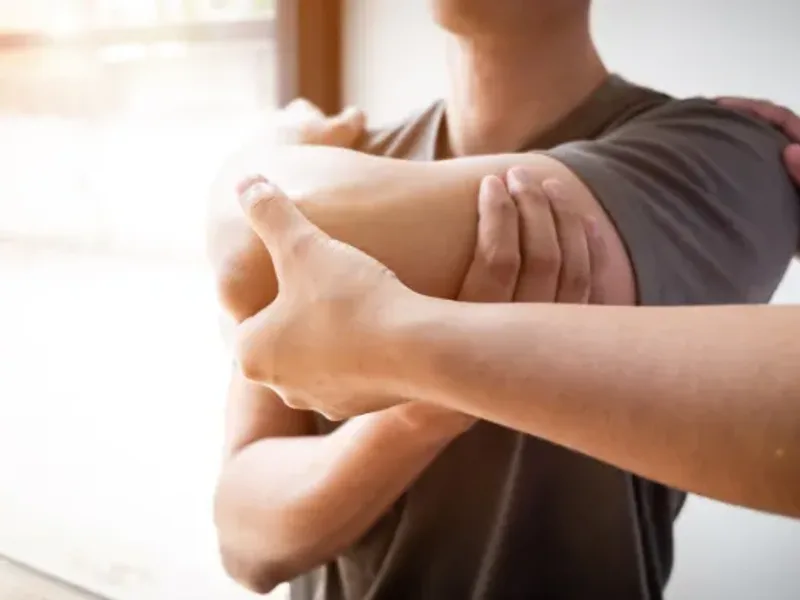
Sports and jobs that require repeated reaching, throwing, or lifting overhead place the rotator cuff tendons under constant friction beneath the shoulder blade. Over months and years, this repetitive load wears down the tendon fibers faster than the body can repair them. Swimmers, painters, and throwing athletes are especially prone to this pattern.
Tendon tissue naturally loses elasticity and blood supply as we age, especially past 40. This makes the rotator cuff more prone to fraying and tearing, even from everyday activities rather than heavy lifting or sport.
Falling onto an outstretched arm or catching a heavy, falling object can tear the rotator cuff instantly. These traumatic tears often happen alongside other shoulder injuries and tend to cause sudden, sharp pain and noticeable weakness.
When the space beneath the point of the shoulder narrows, whether from posture, bone shape, or muscle imbalance, the rotator cuff tendons get pinched with every arm raise. Repeated impingement irritates the tendon and can wear it down over time.
Weak shoulder blade muscles change how your arm moves in the socket, shifting more load onto the rotator cuff tendons than they are meant to carry. Rounded shoulders and a forward head posture make this worse the longer they go uncorrected.
Lifting something heavier than your shoulder is prepared for, especially with poor mechanics, can overload the tendon past its capacity in a single motion. This is a common way tears occur outside of sport, during moving, yard work, or an awkward catch.
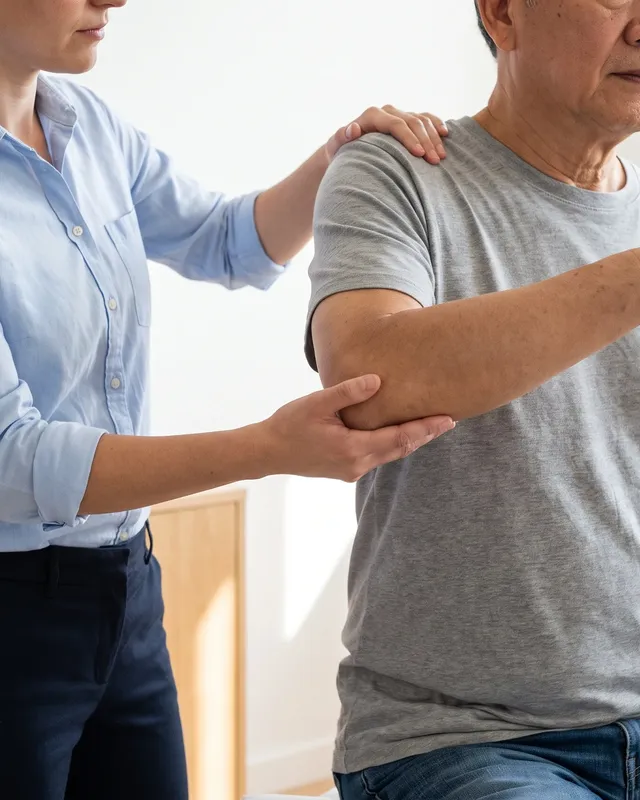
How physical therapy in Chino Hills helps.
Not every rotator cuff tear needs surgery, and physical therapy is often the first and most effective step no matter which direction your care ends up taking. We begin by calming pain and inflammation with hands-on manual therapy, then rebuild strength in the rotator cuff and the surrounding scapular muscles that share the load. Because shoulders are complicated joints, we look at your posture, your job, and the specific movements that aggravate you rather than running you through a generic shoulder protocol. You work with the same therapist every visit, so your program keeps evolving as your strength and range of motion improve. Whether you are recovering conservatively or rehabbing after surgery, the goal is the same: a shoulder that moves and lifts with confidence again.
What to expect from your recovery.
Evaluation and pain control
We assess your shoulder's strength, range of motion, and the specific movements that reproduce your pain to understand exactly which structures are involved. Early treatment focuses on calming inflammation and protecting the tendon while restoring gentle motion. You leave with a clear picture of what is going on and what recovery looks like.
Restoring motion and control
We work on regaining full, pain-free shoulder motion while retraining the scapular muscles that stabilize your shoulder blade. This groundwork keeps the shoulder from compensating in ways that slow recovery or risk re-injury.
Progressive strengthening and return to activity
As motion improves, we load the rotator cuff and surrounding muscles progressively so they can handle the demands of your work, sport, or daily life. We track your strength and mechanics closely before clearing you to return to lifting, throwing, or overhead activity.
I would like to say that coming here was better than what I expected! I gained so much more strength, agility, and endurance since starting here! The bedside manner of every single person including the front desk, aides, and all the therapists was excellent.
Pain rarely travels alone.
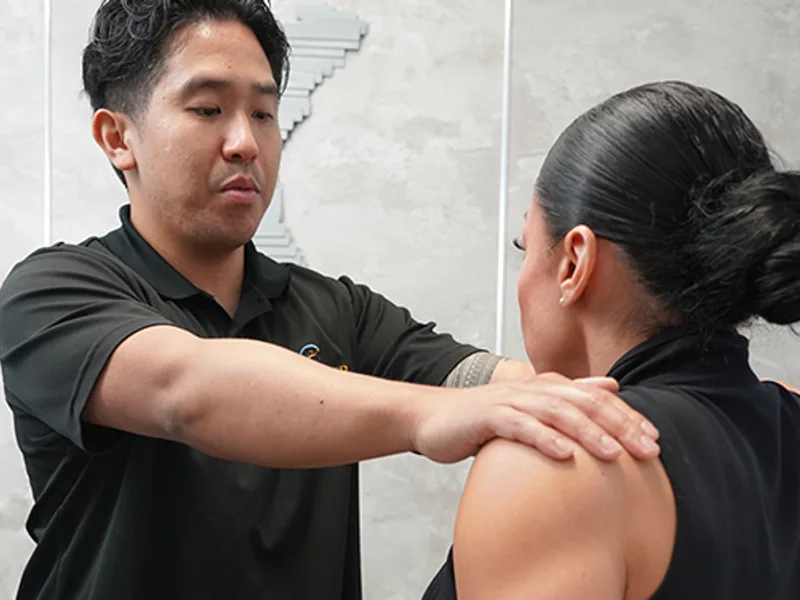
Shoulder Pain
Rotator cuff tears are one of the leading causes of shoulder pain, and the two are often evaluated and treated together.
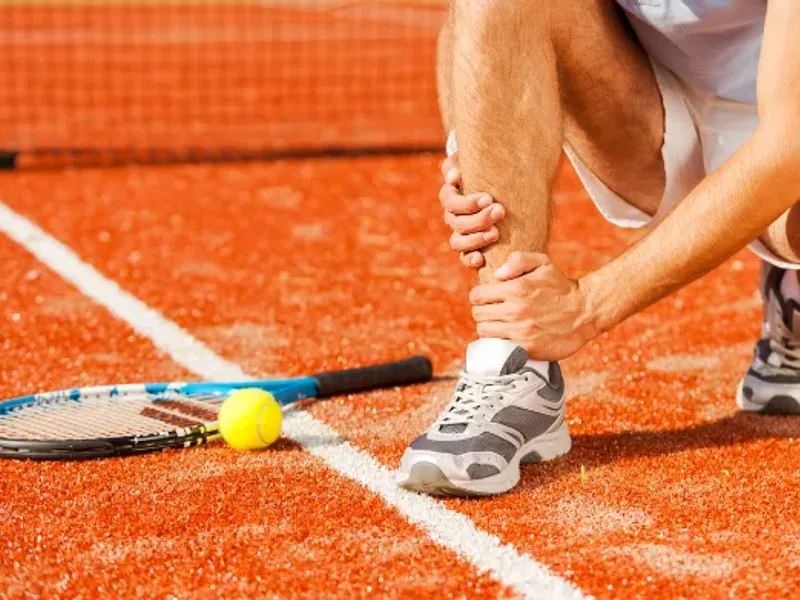
Sports Injuries
Throwing and overhead sports place repetitive strain on the rotator cuff, making it one of the most common sports-related shoulder injuries.
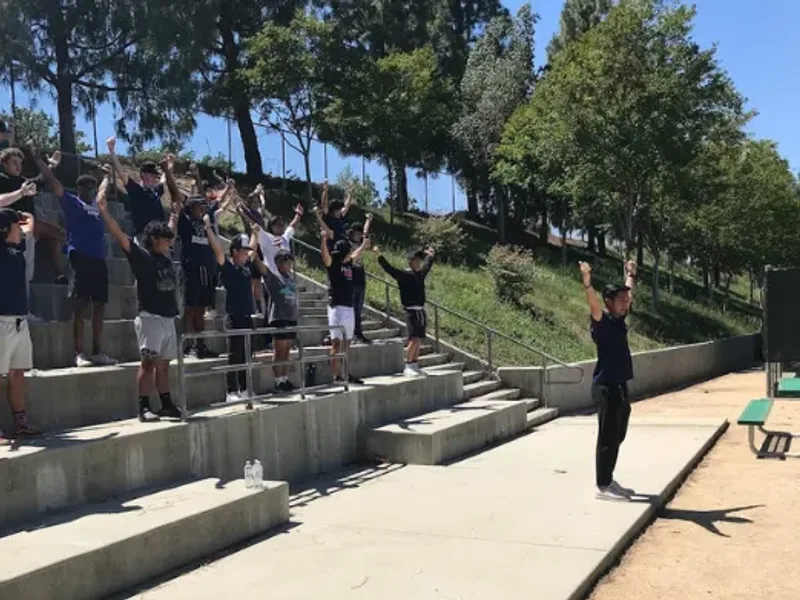
Baseball Injury Prevention
Pitchers and throwing athletes are especially prone to rotator cuff strain, which is why we build shoulder health into injury prevention programs.