Baseball Injury Prevention Treatment in Chino Hills, Chino, & Pomona
Every inning asks a young arm to do more than it has finished developing to handle, and one overuse injury can sideline a whole season. Smart, individualized training builds the durability that keeps players on the field.
What leads to baseball-related injuries?
Throwing is one of the most demanding actions in sports, asking the shoulder, elbow, and core to generate and absorb enormous force, pitch after pitch. Most baseball injuries are not the result of one bad throw. They build up over a season of repetition, insufficient rest, and mechanics that were never corrected. Understanding what puts a throwing arm at risk is the first step to keeping it healthy all season long.
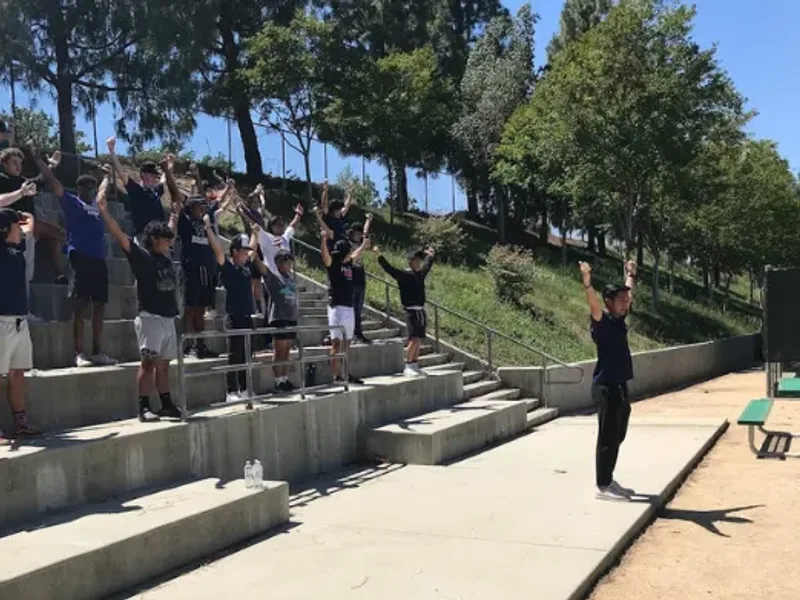
The arm needs recovery time between outings to repair the microtrauma that throwing causes. When pitch counts run high or rest days are skipped, the shoulder and elbow never fully recover before the next demand is placed on them. Over a season, that deficit adds up into tendinitis, ligament strain, or worse.
An efficient throw moves force up through the legs, hips, and trunk before it ever reaches the arm. When that sequence breaks down, whether from poor hip rotation, an early arm slot, or a weak core, the shoulder and elbow are forced to make up the difference. Correcting mechanics reduces the load the arm has to absorb on every pitch.
Playing on multiple teams, showing up for extra bullpen sessions, or skipping recommended rest days between starts does not allow tissue to heal. Fatigue also changes mechanics, so a tired arm often throws with worse form, which compounds the risk. Built-in recovery time is not optional, it is part of training.
Repetitive throwing tightens the back of the shoulder and can leave the rotator cuff and scapular stabilizers underprepared for the demands of the pitch. This imbalance, often called glenohumeral internal rotation deficit, changes how forces travel through the joint and raises the risk of labral and rotator cuff injury. Balanced strength and mobility protect the joint from the inside out.
Specializing in baseball twelve months a year, without a true off-season, keeps the same tissues under constant load with no chance to reset. Cross-training and structured off-season conditioning give overworked structures a break while building the general strength that supports the throwing motion.
Throwing at full velocity on a cold, unprepared arm places sudden stress on tissue that has not been primed to handle it. A consistent warm-up and arm care routine gradually increases blood flow and readies the shoulder and elbow for the demands of practice or a game. Skipping this step is one of the most preventable causes of throwing injuries.
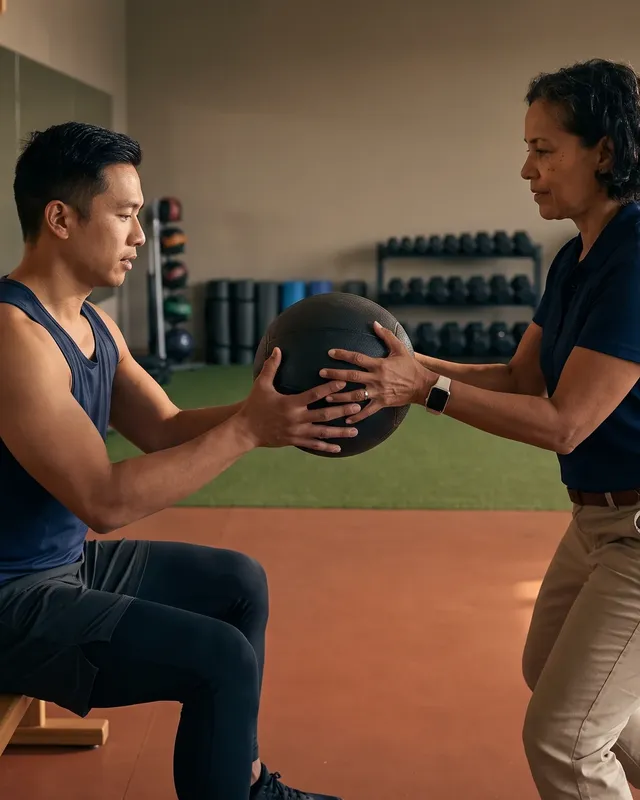
How physical therapy in Chino Hills helps.
Preventing throwing injuries starts with a real movement assessment, not a generic stretching handout. We look at your shoulder mobility, scapular control, hip rotation, and core strength to find exactly where your mechanics are breaking down and putting your arm at risk. From there, we build a program around you: correcting the imbalances we find, restoring the rotator cuff and scapular strength your arm care routine needs, and reinforcing the throwing mechanics that keep force moving efficiently through your whole body instead of piling up in one joint. This is one-on-one work with the same therapist every visit, evaluating you as an athlete and a person, not running you through a cookie-cutter protocol. If you are already dealing with soreness or pain, we treat that directly with hands-on therapy while we build the long-term arm care plan around it.
What to expect from your recovery.
Evaluation and movement screening
We assess your shoulder, elbow, hip, and core mechanics to find where your throwing motion is breaking down. If you are already dealing with pain, we identify what is driving it before we build your plan.
Correcting mechanics and imbalances
We address the strength and mobility deficits we found, rebuilding rotator cuff and scapular control while retraining the throwing sequence so force moves efficiently from your legs through your arm.
Return-to-throw progression
As your arm care foundation solidifies, we build back into throwing volume and intensity in a structured, monitored progression. You return to the mound with a durable arm and a plan for staying that way.
I can't say enough about this Empower PT. Everyone is top notch, knowledgeable, professional and friendly. My doctor, Dr. Jason is terrific. I would highly recommend them to anyone in need of physical therapy.
Pain rarely travels alone.
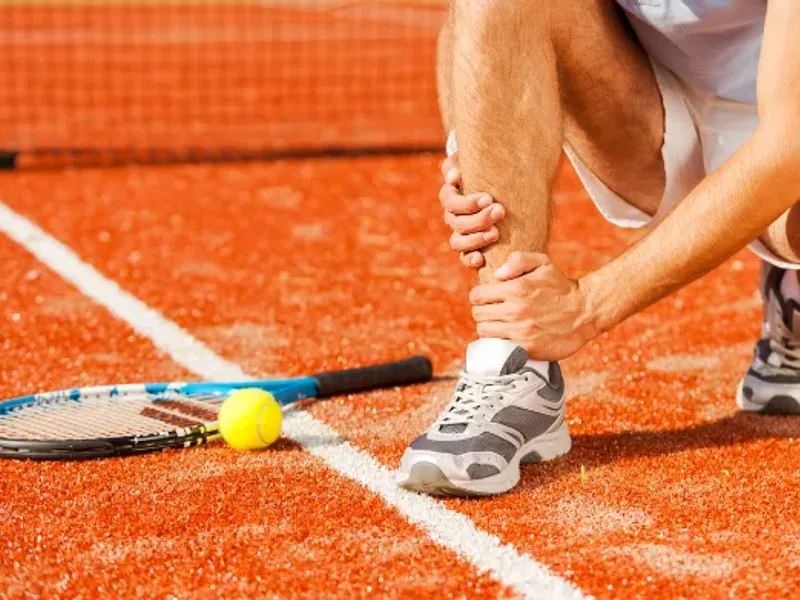
Sports Injuries
Overuse and mechanics issues do not stop at the pitcher's mound. We treat throwing athletes and every other sport with the same attention to what actually caused the injury.
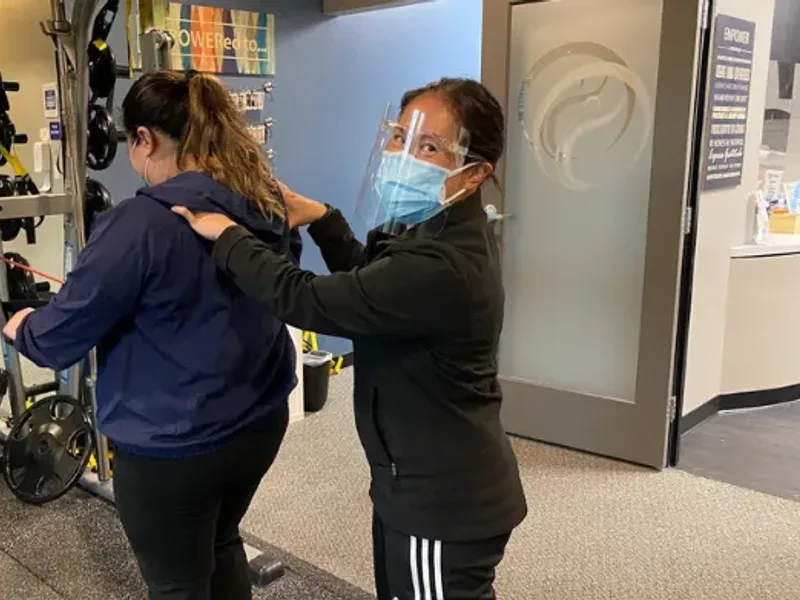
Elbow, Wrist & Hand Pain
The elbow absorbs enormous force with every throw. When forearm or elbow pain shows up, we trace it back through the whole kinetic chain that put it there.
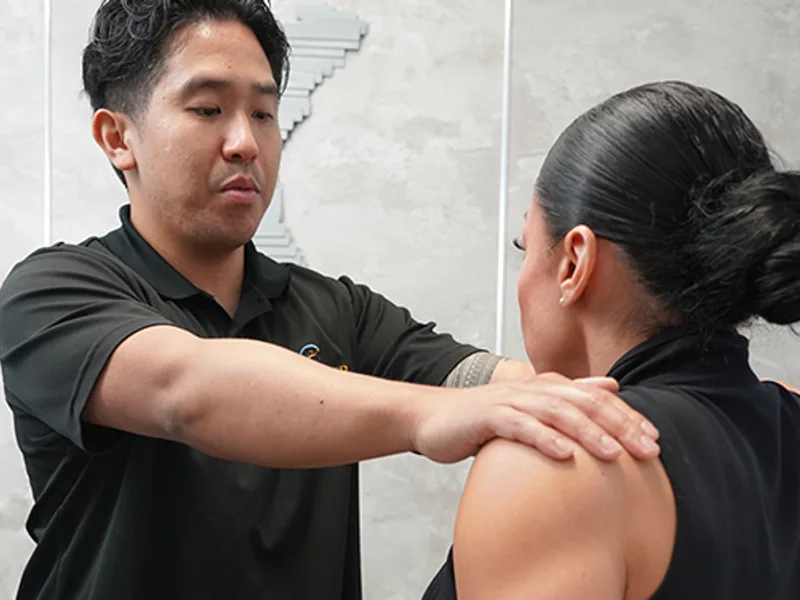
Shoulder Pain
The shoulder takes the brunt of every pitch. Persistent shoulder pain in a throwing athlete deserves the same careful evaluation as any overuse injury.