Stroke Treatment in Chino Hills, Chino, & Pomona
Recovering after a stroke can feel overwhelming, for you and for the people who love you. Physical therapy will not undo the stroke, but it can help you rebuild strength, movement, and independence, one deliberate step at a time.
What causes a stroke?
A stroke happens when blood flow to part of the brain is interrupted, either by a blocked artery or a burst blood vessel, cutting off the oxygen brain cells need to survive. The specific cause affects the type of stroke and, often, the pattern of weakness or difficulty a person is left with. Diagnosing the cause is the job of your physician, but understanding the general risk factors helps make sense of the road ahead.
The majority of strokes happen when a blood clot or fatty deposit blocks an artery supplying the brain, cutting off blood flow to that region. This is the most common type of stroke and is often linked to conditions like atherosclerosis or an irregular heartbeat.
A hemorrhagic stroke occurs when a weakened blood vessel ruptures and bleeds into or around the brain. This type is often associated with uncontrolled high blood pressure or an aneurysm and can involve a different recovery pattern than an ischemic stroke.
Chronic high blood pressure is one of the strongest risk factors for stroke. Over time it damages artery walls, making them more prone to blockage or rupture.
An irregular heartbeat can allow blood to pool and form clots inside the heart. Those clots can travel to the brain and block an artery, causing an ischemic stroke.
Both conditions accelerate damage to blood vessels throughout the body, including the arteries that supply the brain, which raises the long-term risk of stroke.
How physical therapy in Chino Hills helps.
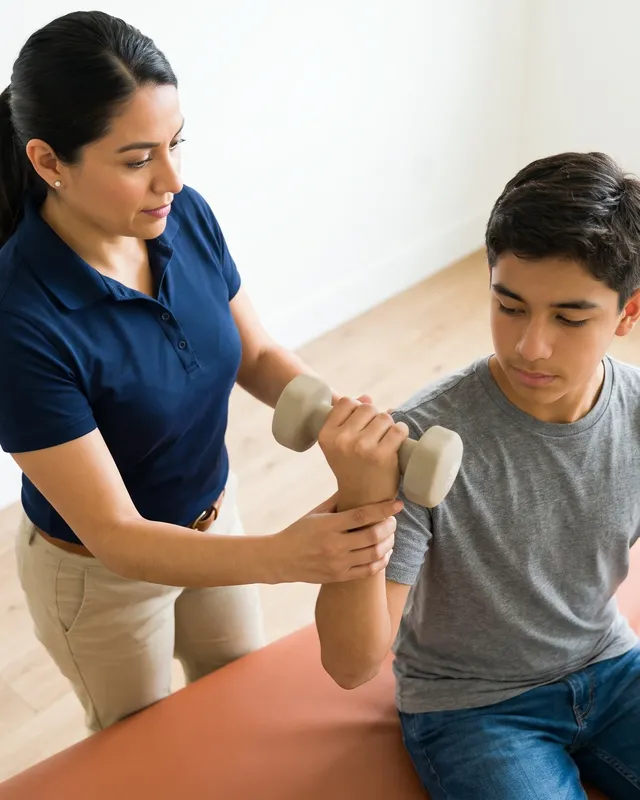
Physical therapy does not reverse a stroke, but it plays a central role in helping survivors regain as much strength, movement, and independence as possible. Our focus is on retraining the brain and body to work together again: rebuilding motor control, improving balance and gait, and relearning the movements needed for daily life. Every stroke affects people differently, so your program is built around your specific deficits and goals, not a one-size-fits-all checklist. You work with the same therapist throughout your care, which matters for tracking small, real changes in a recovery that is rarely a straight line. Progress after a stroke can continue well beyond the first few months, and our job is to keep working that window for as long as it stays open, alongside your physician and the rest of your care team.
What to expect from your recovery.
Evaluation and goal-setting
We start with a thorough assessment of your strength, movement, balance, and function to understand how the stroke has affected you. Together we set realistic, meaningful goals based on what matters most in your daily life, whether that is walking safely, dressing independently, or returning to a hobby. This evaluation also helps us coordinate with your physician and any other providers involved in your care.
Rebuilding movement and function
We work on the specific deficits identified in your evaluation, from motor control and coordination to balance and gait. Treatment is hands-on and repetition-based, since relearning movement takes consistent, targeted practice over time.
Building independence
As function improves, we shift toward the tasks and environments of daily life, so the gains made in the clinic carry over to home, work, or the community. We continue to adjust your program as your abilities change, since recovery after a stroke can keep progressing over time.
As a deaf patient, communication is very important to me, and they went above and beyond to make sure I felt comfortable and understood. The staff were patient, attentive, and made every session easy to follow.
Pain rarely travels alone.
Balance & Gait Disorders
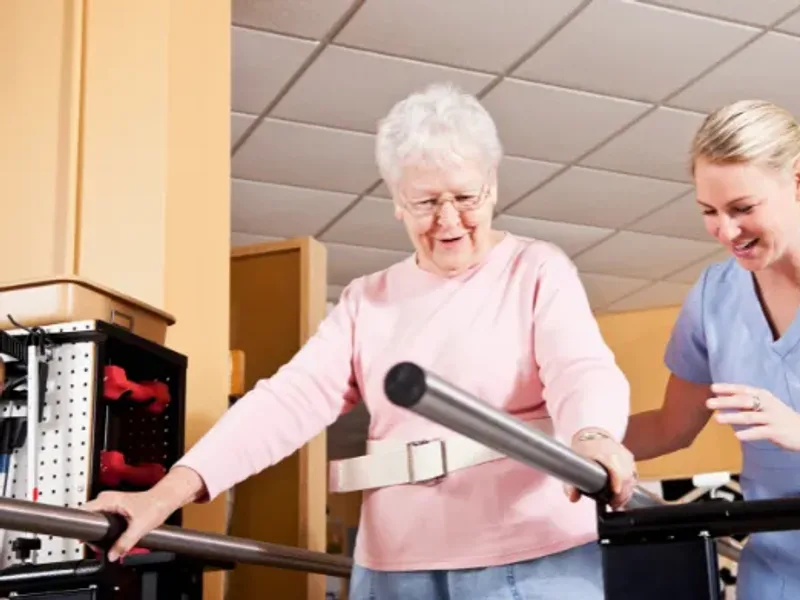
Balance and walking difficulty are among the most common challenges after a stroke, and often an early priority in rehab.
Parkinson's
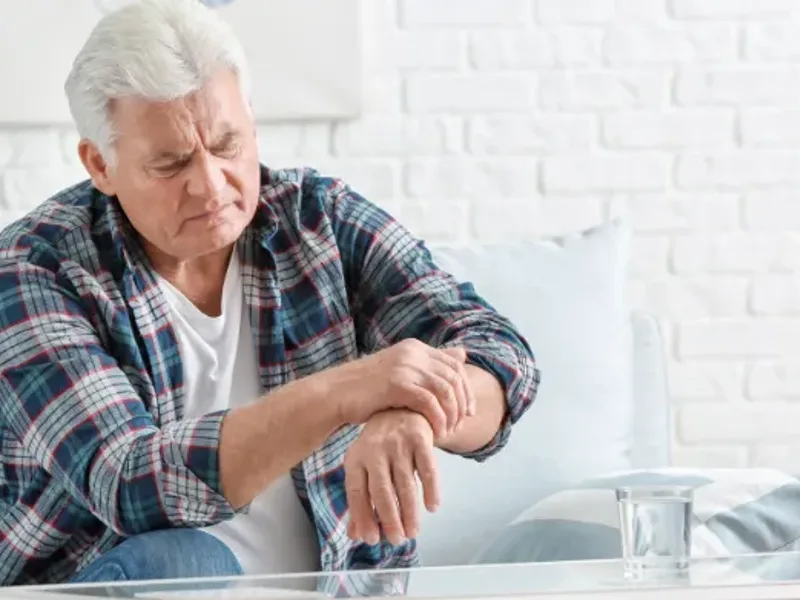
Stroke and Parkinson's can both affect movement and coordination, and rehab for each draws on similar approaches to retraining motor control.
Dizziness & Vertigo
Some stroke survivors experience dizziness or disrupted balance as part of their recovery, which we address alongside strength and mobility work.