Tendinitis Treatment in Chino Hills, Chino, & Pomona
That deep, nagging ache near your elbow, shoulder, or heel does not mean something is torn, but it does mean a tendon is asking for a break it has not been getting. A focused rehab plan calms the irritation and rebuilds the tendon's capacity so the pain does not just keep coming back.
What causes tendinitis?
Tendinitis rarely comes from one bad moment. It builds gradually, from repeated stress on a tendon that has not been given enough time or strength to adapt to the demands placed on it. The tendon becomes irritated, sometimes swollen, and increasingly sensitive to the very movements it is built to perform. Understanding what is overloading your tendon is the first step to calming it down and building it back up.

Doing the same motion over and over, whether it is typing, throwing, gripping tools, or running, creates small amounts of microtrauma in the tendon with every repetition. When the tendon does not get enough time to repair between bouts of activity, that damage accumulates faster than the tissue can keep up. Over weeks or months, this shows up as the aching, stiff pain of tendinitis.
Ramping up your mileage, weight, reps, or hours on your feet too quickly does not give the tendon time to adapt to the new demand. Tendons remodel much more slowly than muscle, so a jump in load that feels manageable to your cardiovascular system can still overwhelm what the tendon can currently tolerate. This is one of the most common patterns we see in active people and new athletes alike.
Faulty technique in a sport, a lift, or even a repetitive work task can funnel excess force through a tendon that was never meant to absorb it alone. Small mechanical errors, repeated thousands of times, add up to significant irritation. Correcting the movement pattern is often just as important as calming the tendon itself.
When the muscles around a joint are weak or imbalanced, the tendon ends up absorbing load that the muscle should be sharing. This is common at the shoulder, elbow, and Achilles, where weak stabilizers leave the tendon doing work it is not built to handle on its own. Building strength in the right places takes the pressure off the tendon.
Tendons need real recovery time to repair the microtrauma from activity, and that process takes longer than most people expect. Training or working through the same repetitive motion day after day without adequate rest keeps the tendon in a constant state of low-grade irritation that never fully resolves.
Tendons naturally lose some water content and elasticity as we age, making them somewhat less able to tolerate the same loads that used to feel effortless. This does not mean activity should stop. It means the tendon may need a more gradual approach to loading and a bit more attention to recovery.

How physical therapy in Chino Hills helps.
Tendinitis responds best to load management, not just rest. Too much rest lets the tendon weaken further, while jumping back into full activity keeps re-irritating it, so the real answer is finding the right amount of movement for where your tendon is right now. We start by identifying what is overloading the tendon, whether that is a work task, a sport, or a movement pattern you never noticed, and adjust it so healing can actually begin. From there, we use hands-on techniques to calm irritated tissue and progressive strengthening to build the tendon's tolerance for the demands you are placing on it. This is not a generic stretch-and-ice handout. It is a plan built around your specific tendon and your specific activity, with the same therapist tracking your progress the whole way through.
What to expect from your recovery.
Evaluation and load assessment
Your first visit identifies exactly which tendon is involved, what movements aggravate it, and what is driving the overload. We assess your strength, flexibility, and movement patterns to build a full picture. You leave with a clear plan for calming things down and building back up.
Hands-on care and pain relief
Early sessions focus on reducing pain and irritation through manual therapy, IASTM, and a modified activity plan, so the tendon has room to heal. We adjust your daily movements and training load so you are not constantly re-irritating the area. This phase is about creating the conditions for real recovery.
Progressive strengthening
As pain settles, we introduce progressive loading exercises that rebuild the tendon's strength and resilience. Your program gradually increases in intensity, matching the demands of your work, sport, or daily life. You return to full activity with a tendon that can actually handle it.
Empower PT has done an outstanding job helping me with my rehab process on my knee and I cannot recommend them enough.
Pain rarely travels alone.
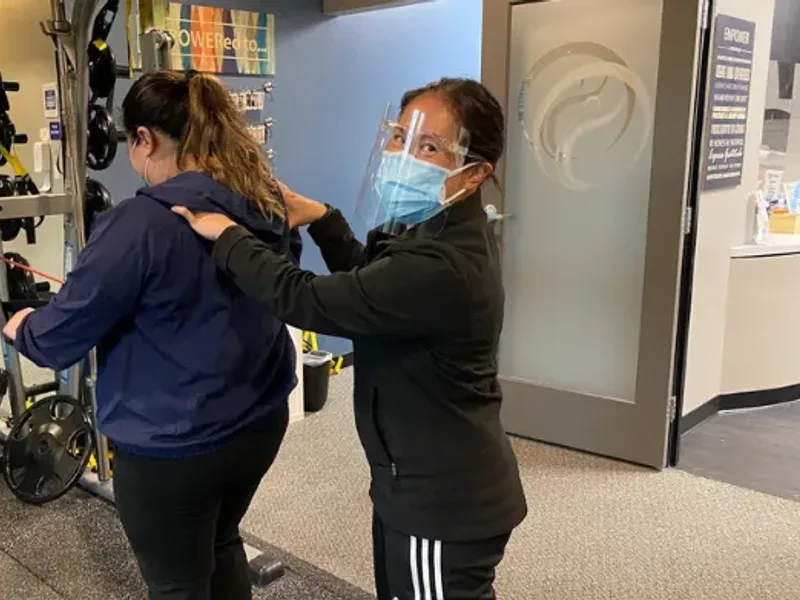
Elbow, Wrist & Hand Pain
Tendinitis often shows up right where wrist and elbow pain starts. We treat the tendon and the joint mechanics around it together.

Joint Pain
An irritated tendon can change how a nearby joint moves and loads. We look at the whole joint, not just the sore spot.
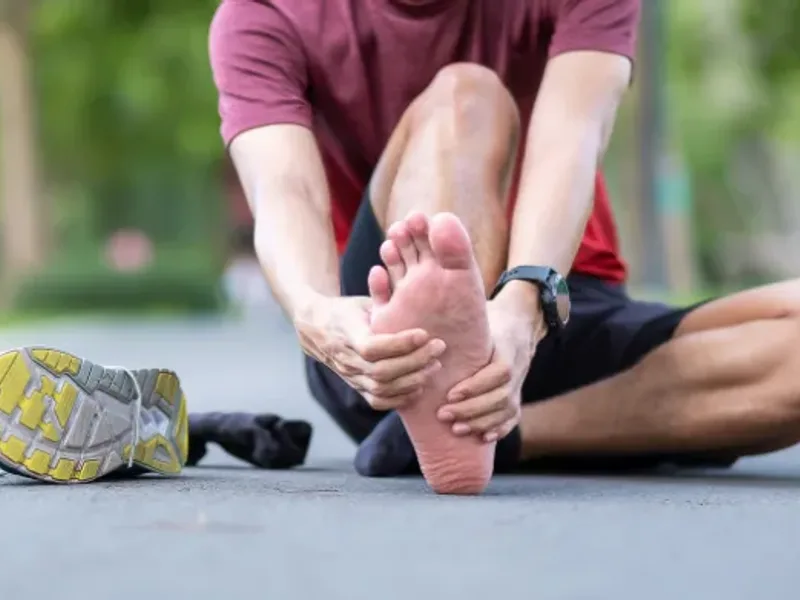
Plantar Fasciitis
Achilles tendinitis and plantar fasciitis often overlap, since both involve overloaded tissue at the heel. We address the tendon and the fascia together.