Plantar Fasciitis Treatment in Chino Hills, Chino, & Pomona
That first step out of bed should not feel like a knife in your heel. Targeted physical therapy calms the irritated fascia and rebuilds your foot's mechanics, so pain-free mornings become normal again.
What causes plantar fasciitis?
Plantar fasciitis develops when the thick band of tissue running along the bottom of your foot, the plantar fascia, becomes irritated and overloaded faster than it can repair itself. It rarely comes from one bad step. It builds gradually from repetitive strain, tight structures, and mechanics that put more load on the heel and arch than they are built to handle. Identifying what is driving your specific case is how we stop the cycle instead of just chasing the pain.
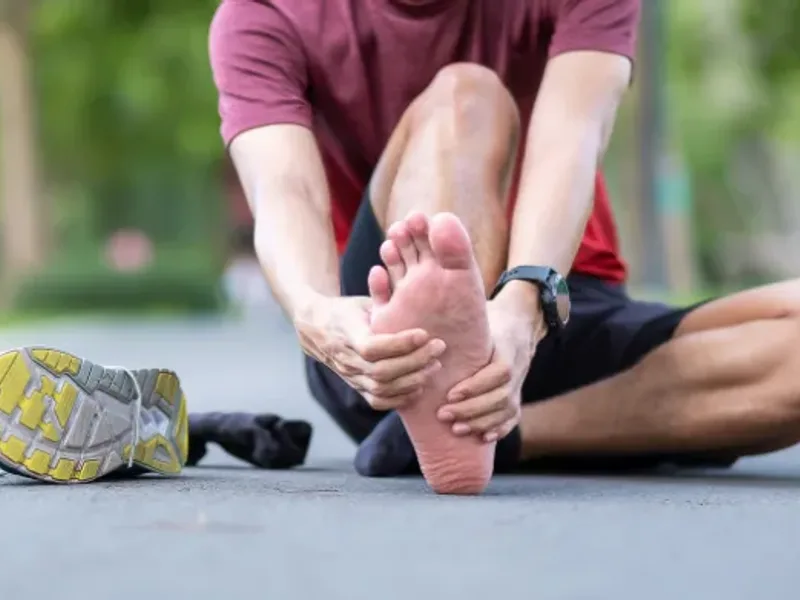
When the calf muscles and Achilles tendon are tight, they limit how far your ankle can bend upward. That restriction forces the plantar fascia to stretch and absorb more load with every step, especially during push-off. Over time this repetitive overstretching leads to small tears and irritation where the fascia attaches to the heel bone.
A fast jump in mileage, standing hours, or a new fitness routine gives the fascia no time to adapt. Tissue needs a gradual increase in load to get stronger, and without it the fascia breaks down faster than it can heal. This is one of the most common triggers we see in new runners and people who just started a job that keeps them on their feet.
Both extremes change how weight travels through your foot. Flat feet let the arch collapse and stretch the fascia with every step, while high, rigid arches concentrate stress at the heel and forefoot. Either pattern, repeated thousands of times a day, wears down the tissue's tolerance. If flat feet are part of your picture, see our fallen arches treatment.
Shoes that have lost their cushioning or offer little arch support leave the fascia to absorb shock the footwear is supposed to handle. Standing or walking for hours in flat shoes, sandals, or worn-down sneakers adds up quickly and often goes unnoticed until pain sets in.
Jobs that keep you on your feet on hard surfaces for long stretches, like nursing, teaching, retail, or warehouse work, put sustained pressure on the fascia with little recovery time between shifts. This steady, repetitive load is a common reason plantar fasciitis becomes chronic rather than resolving on its own.

How physical therapy in Chino Hills helps.
Plantar fasciitis responds well to physical therapy when the plan addresses the actual cause of your irritation, not just the pain at the heel. We start by calming the tissue down with manual therapy and targeted stretching to reduce the strain on the fascia with every step. From there we work on the ankle mobility, calf flexibility, and foot and hip strength that determine how much load your fascia has to absorb day to day. Every plan is built around your foot, your footwear, your job, and your activity level, not a generic handout of stretches. You work with the same therapist visit to visit, so your program keeps adjusting as your pain and tolerance change. The goal is not just quieting today's pain, it is correcting the mechanics that let it come back.
What to expect from your recovery.
Evaluation and pain relief
Your first visit includes a full assessment of your foot mechanics, calf flexibility, and gait to pinpoint what is driving your heel pain. We begin hands-on treatment right away to calm the irritated fascia and reduce your pain with daily activities. You leave with a clear plan and simple steps to protect your foot between visits.
Hands-on treatment and mobility work
We combine manual therapy, IASTM, and targeted stretching to restore the ankle and calf mobility that takes pressure off the fascia. As pain settles, we introduce exercises that build tolerance in the tissue itself. This is typically the phase where daily pain starts easing.
Strengthening and return to activity
We build strength through the foot, ankle, and hip so your fascia is no longer compensating for weak or tight structures around it. You gradually return to walking, standing, or running without the guarding that comes with heel pain. Before you finish, we make sure your footwear and daily habits support what we built in the clinic.
I have been with this facility for a few years with my problems: knees, ankle, feet. I owe a good review to them. Anthony is always very professional, skillful and patient. Every appointment, he adjusted my care accordingly based on my needs and progress.
Pain rarely travels alone.
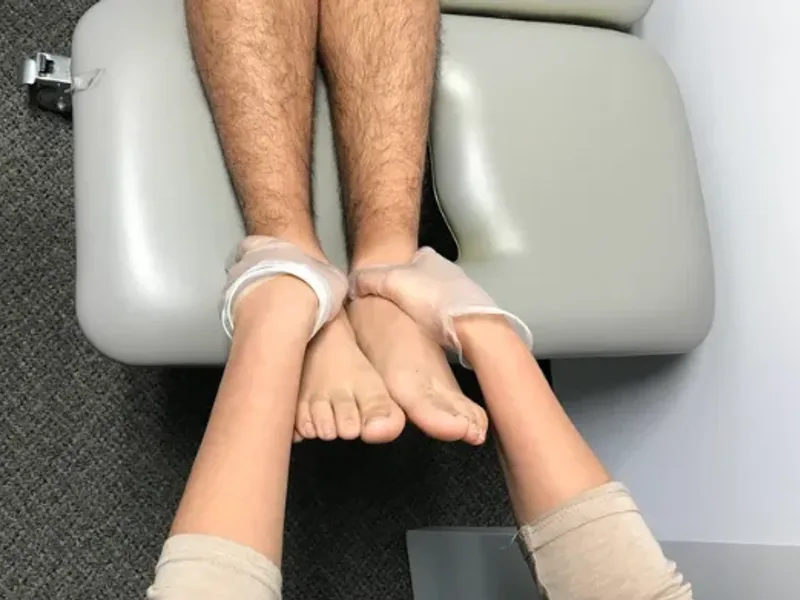
Foot & Ankle Pain
Plantar fasciitis is one of the most common sources of foot pain we see, and it often overlaps with other mechanical issues throughout the foot and ankle.

Tendinitis
Fascia irritation and tendon irritation share many of the same root causes, from tight calves to sudden spikes in activity.

Sports Injuries
Runners and athletes who push through heel pain risk compensating in ways that lead to other overuse injuries further up the chain.