Hip Replacement Surgery Treatment in Chino Hills, Chino, & Pomona
Those first few weeks after hip replacement can feel slower and stiffer than you expected. That is normal, and it is not permanent. The right rehab plan is what turns a new joint into the pain-free movement you had the surgery for.
What leads to hip replacement surgery?
Hip replacement is almost always the last step after years of a joint that has stopped cooperating. The damage that leads to surgery can come from slow wear, disease, injury, or the way the joint was built in the first place. Knowing what led to your surgery helps us understand exactly what your rehab needs to rebuild.
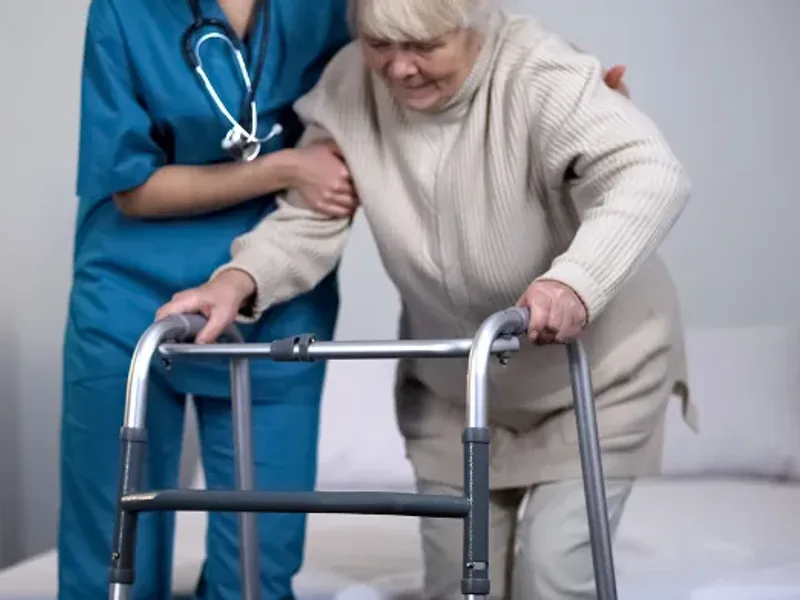
Osteoarthritis is the most common reason people need a hip replaced. The protective cartilage that cushions the joint gradually wears down, leaving bone to grind against bone. Once that cartilage is gone, pain and stiffness become constant, and no amount of rest reverses the damage.
Rheumatoid arthritis is an autoimmune condition where the body attacks its own joint lining, causing chronic inflammation that erodes cartilage and bone over time. Because it often affects the hip earlier in life than osteoarthritis, it can lead to significant joint damage well before a person expects to need surgery.
A fall or traumatic injury can fracture the hip in a way that cannot be adequately repaired with pins or plates alone, especially in older adults with weaker bone. In these cases, replacement is often the option that offers the best chance at regaining independent movement.
When blood supply to the head of the femur is disrupted, from injury, certain medications, or other medical conditions, the bone tissue can begin to die. As the joint surface collapses, arthritis develops quickly, often requiring replacement sooner than typical wear-and-tear arthritis would.
Some people are born with a hip socket that does not fully cover the ball of the joint. This structural mismatch concentrates pressure on a smaller area of cartilage, accelerating wear over decades and often leading to arthritis and joint damage earlier in life than expected.
A significant hip injury, even one that healed well at the time, can change the joint surfaces enough to accelerate arthritis years later. This is one of the reasons old injuries deserve ongoing attention long after the initial recovery is considered complete.
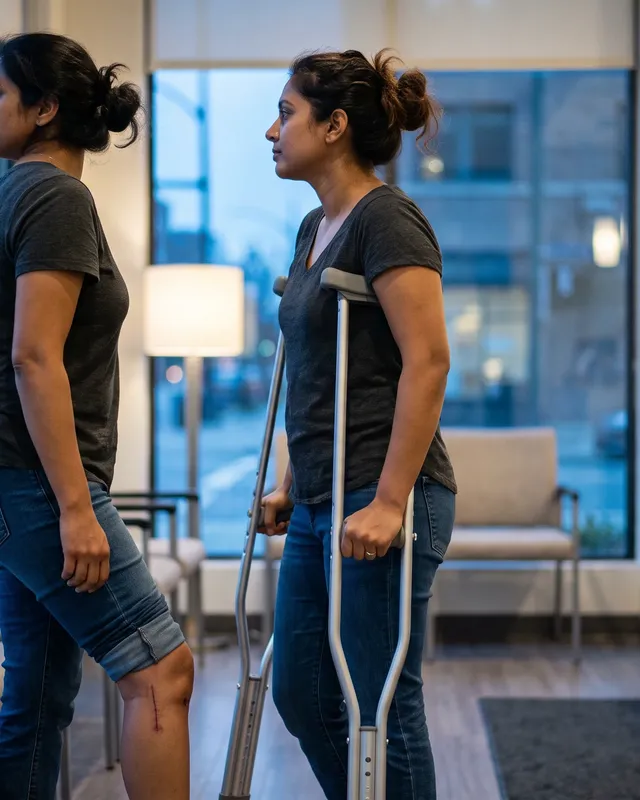
How physical therapy in Chino Hills helps.
Recovery from hip replacement is not just about healing the incision, it is about relearning how to move with confidence in your new joint. We start with the basics: safely restoring hip motion within your surgeon's guidelines, calming swelling, and getting you walking with a normal, even gait instead of favoring the joint. From there we rebuild the glute and hip stabilizer strength that surgery temporarily interrupts, since that strength is what protects the joint and keeps your walk looking and feeling natural. This is one-on-one care with the same therapist from your first visit to your last, tracking your specific surgical approach and progress rather than running you through a generic timeline. Our goal is not just clearing you for daily activities, it is getting you back to the version of yourself that stopped waiting on hip pain.
What to expect from your recovery.
Evaluation and early mobility
We assess your surgical precautions, swelling, and range of motion, then guide you through safe early movement and gait training. You leave your first visit knowing exactly what your recovery timeline looks like.
Strength and gait retraining
We rebuild the glute and hip stabilizer strength that supports the new joint and correct any limp or compensation pattern before it becomes a habit. This is where your walk starts to feel like your own again.
Return to full activity
As strength and confidence build, we progress you toward the activities that matter to you, whether that is walking without a second thought, returning to the gym, or getting back on the golf course.
Very good and helpful staff and therapist. They take detailed care of you. Jason specifically helped me on my road to recovery before and after my surgery.
Pain rarely travels alone.
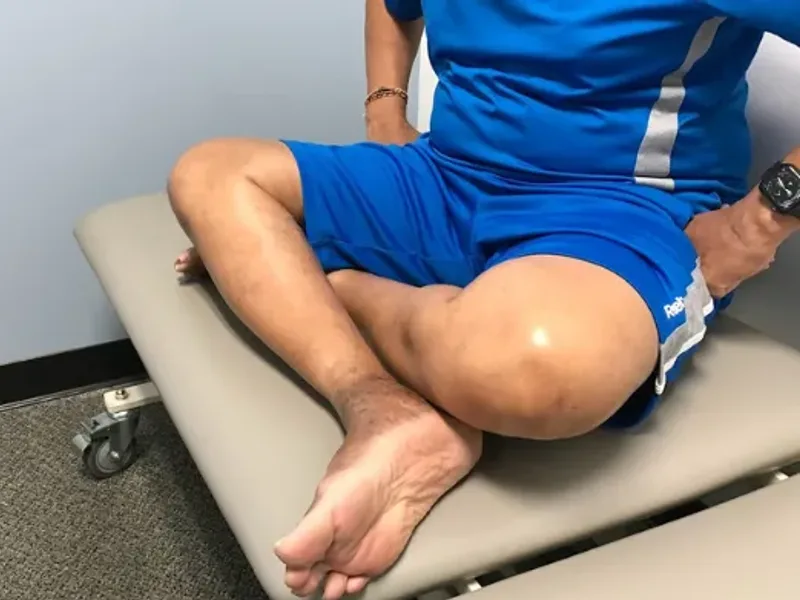
Hip & Knee Pain
The hip and knee share the same load and the same walking pattern. If pain has spread to the joint above or below your new hip, we treat the whole chain.
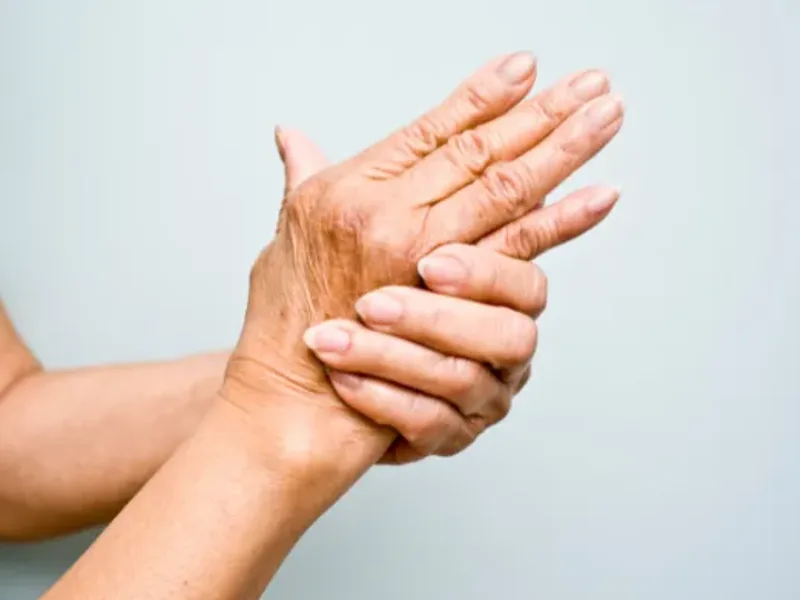
Arthritis
Arthritis is often what led to your hip replacement in the first place, and it does not stop affecting your other joints once surgery is behind you.
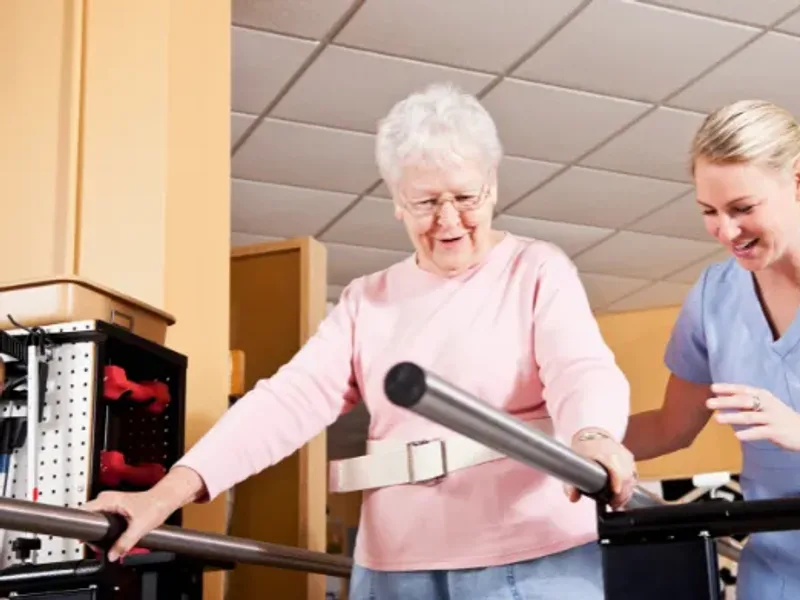
Balance & Gait Disorders
A new hip changes how you balance and walk while you adjust to it. We retrain steady, confident movement so a limp does not become a habit.