Orthotics in Chino Hills, Chino, & Pomona
Foot pain that shows up in your knees, hips, or back usually starts from the ground up. Custom orthotics correct the mechanics driving it, so the rest of your body stops compensating.
What are orthotics?
Orthotics are custom-shaped inserts worn inside your shoes that correct how your foot strikes the ground, distributes weight, and moves through each step. Everyone's foot has a slightly different shape, arch height, and pattern of motion, and off-the-shelf insoles are built for an average foot that does not actually exist. A proper orthotic starts with a thorough evaluation of your gait, your foot structure, and the specific pain or pattern you are dealing with, then is built or adjusted to correct exactly what your foot is doing wrong. That might mean supporting a collapsing arch, redistributing pressure away from a painful spot, or correcting the rotation that is pulling on your knee or hip with every step. Because pain in the foot and ankle so often shows up as pain further up the chain, in the knees, hips, or low back, getting the foundation right can resolve problems that seem to have nothing to do with your feet. At Empower, orthotic recommendations come out of a full movement evaluation with the same therapist who treats you, not a quick foot scan at a kiosk, so the orthotic is one part of a broader plan that also addresses the strength and mobility issues that let the problem develop in the first place.
An orthotic is a tool, not a fix on its own. Worn without addressing the strength and movement patterns around it, an insert can only do so much. Paired with a plan built by a therapist who understands your full picture, it becomes the stable base that lets the rest of your treatment actually hold.
Who it's for.
Orthotics are not just for people with visibly flat feet or high arches. If your pain keeps tracing back to your feet, or your feet are quietly driving pain somewhere else, an evaluation is worth it. Dealing with flat feet? Read about our fallen arches treatment.
Living with plantar fasciitis or persistent foot pain
Heel and arch pain that flares with your first steps in the morning or after long periods on your feet often comes down to how your foot is loading with each step. Custom orthotics redistribute that load and support the arch through the part of the gait cycle that is aggravating the tissue, easing pain while the rest of your plan addresses the underlying weakness.
Knee, hip, or low back pain that starts at the feet
When a foot rolls in or out more than it should, that rotation travels up the chain and changes how your knee, hip, and low back absorb force with every step. Correcting the foot mechanics with an orthotic can take pressure off joints further up that have been quietly compensating for years.
Standing or walking for long hours at work
Retail, healthcare, teaching, and other jobs that keep you on your feet all day put repetitive stress on the same tissues, day after day. A properly fitted orthotic supports your foot through hours of standing and walking, reducing the fatigue and pain that build by the end of a shift.
What to expect in a session.
Getting fitted for orthotics is straightforward and starts with understanding how you actually move.
Gait and foot evaluation
Your therapist examines your foot structure, arch, and alignment, then watches you walk and move to see how your foot behaves under real load, not just at rest. This is where the actual problem, not just the symptom, gets identified.
Casting or fitting
Depending on what you need, your therapist takes a mold or measurement of your foot to ensure the orthotic matches your specific shape and correction needs. This step is quick and comfortable, and it is what separates a custom orthotic from something off a store shelf.
Fitting, adjustment, and follow-up
Once your orthotics arrive, your therapist checks the fit in your actual shoes and makes adjustments as needed. You will get guidance on breaking them in gradually, along with any exercises that support the correction the orthotic is making.
Bring the shoes you wear most often, work shoes, running shoes, or everyday sneakers, to your fitting appointment so your orthotics are shaped to actually fit them. Plan to break in new orthotics gradually over one to two weeks rather than wearing them all day right away.
I have been with this facility for a few years with my problems: knees, ankle, feet. Anthony is always very professional, skillful and patient. Every appointment, he adjusted my care accordingly based on my needs and progress.
Where to go next.
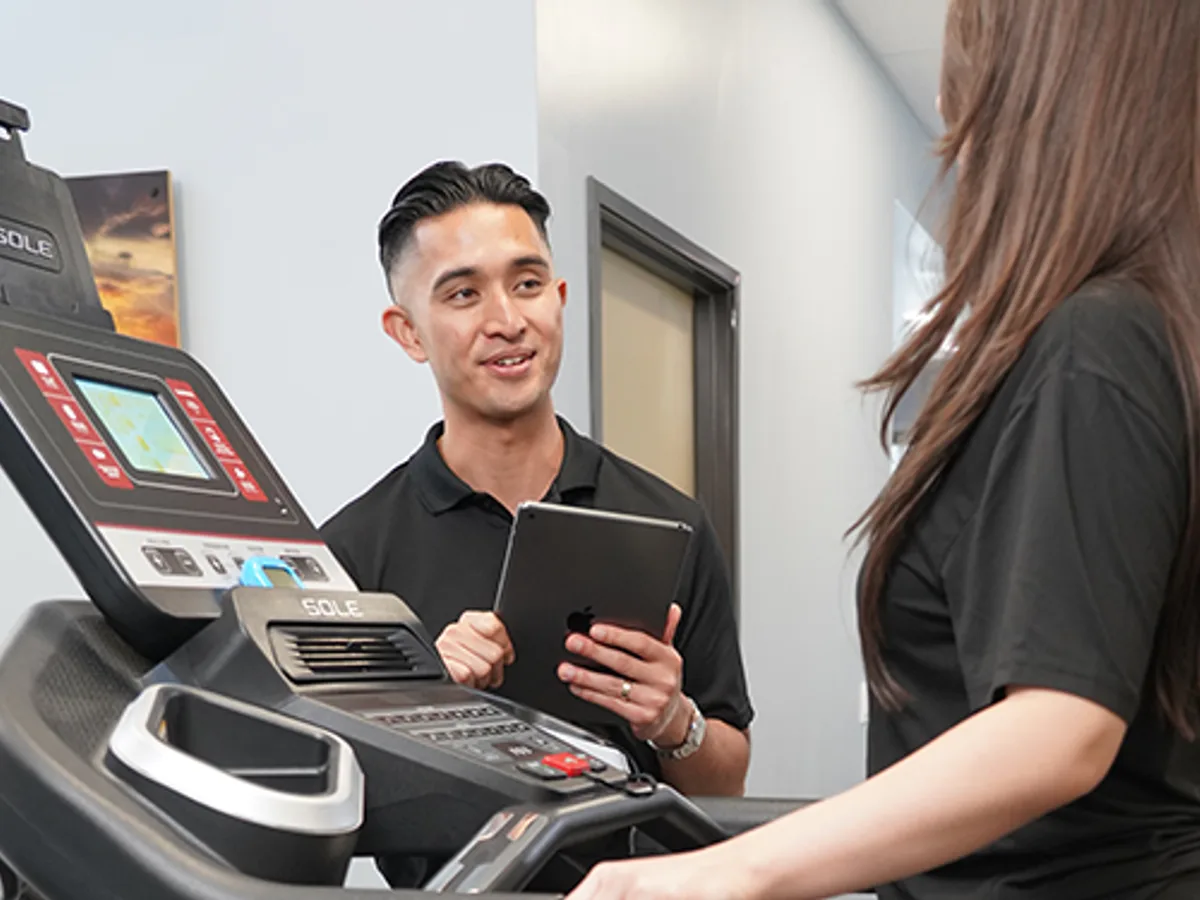
Physical Therapy
One-on-one care from a Doctor of Physical Therapy, built around what's actually driving your pain.
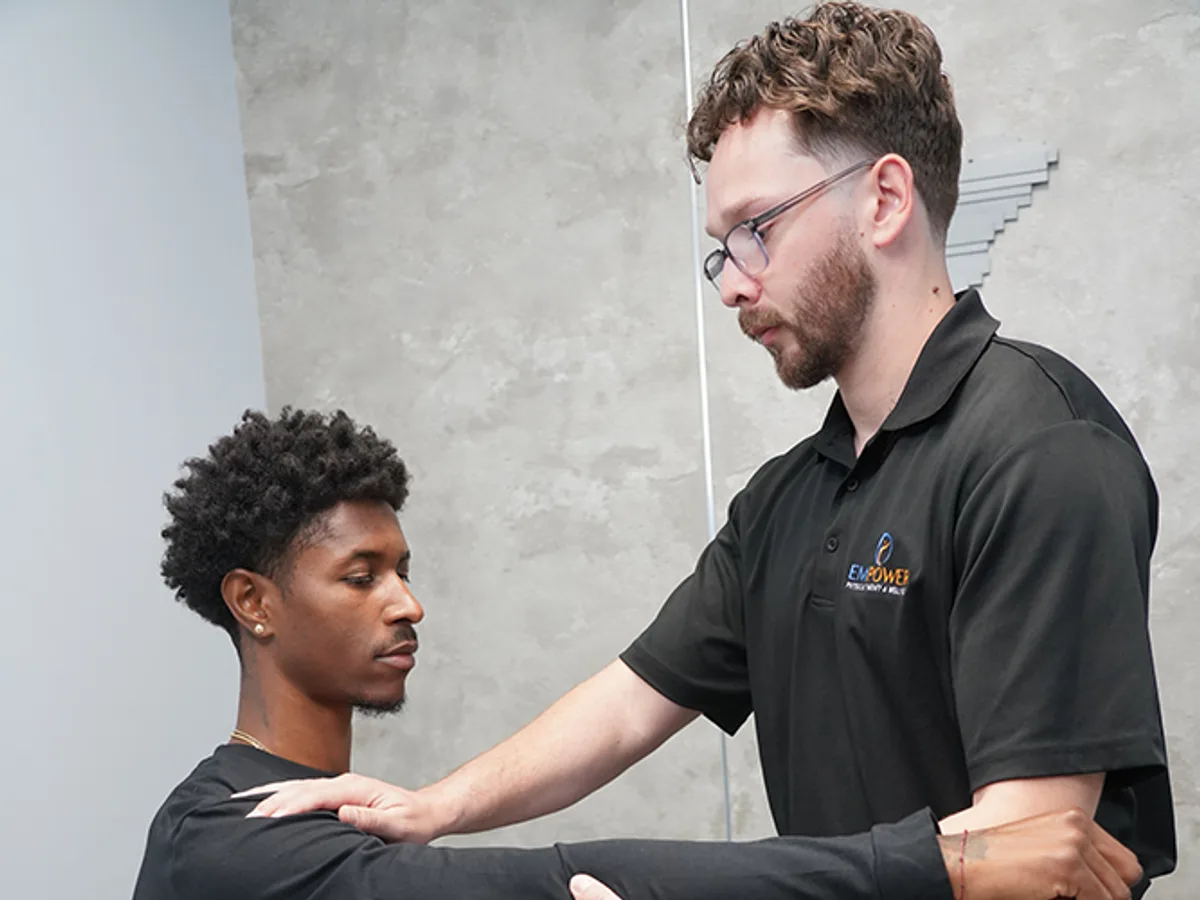
Orthopedic Therapy
Targeted care for muscle, joint, and bone conditions, from post-op recovery to everyday strain.
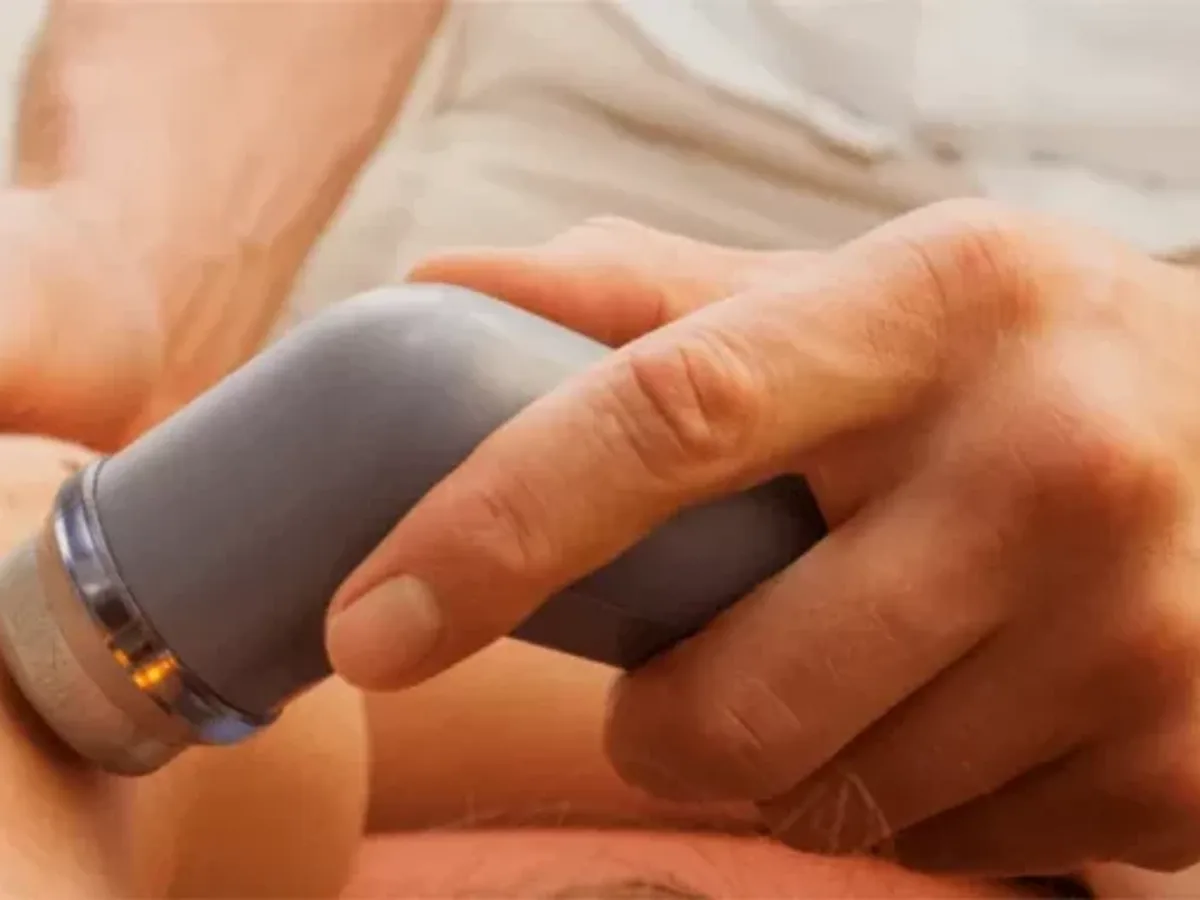
Ultrasound
Therapeutic sound waves that reduce inflammation and speed tissue healing.