Laser Therapy in Chino Hills, Chino, & Pomona
Some injuries stay inflamed and slow to heal no matter how much you rest them. Class IV laser therapy uses targeted light energy to reach that tissue directly, easing pain and speeding recovery from the inside out.

What is laser therapy?
Laser therapy, also called photobiomodulation, uses specific wavelengths of light to trigger a photochemical response inside damaged or dysfunctional tissue. A handheld device delivers that light directly to the treatment area, where it increases blood supply and brings fresh oxygen to the cells. That same energy stimulates the lymphatic system, helping pull swelling and inflammation out of the area, and boosts the cells' production of ATP, the basic unit of cellular energy they need to function and repair themselves.
At Empower, we use Class IV laser therapy, a level of laser cleared by the FDA that can penetrate several inches into deep musculoskeletal tissue, well past what surface-level heat or ice can reach. The number of sessions you'll need depends on your specific injury and how long you've been dealing with it. Some issues respond after a single treatment, while deeper or more chronic conditions may call for a full course of care. There are no known side effects, and your therapist builds it into your broader treatment plan rather than using it as a stand-alone fix.
Who it's for.
Laser therapy is a supporting tool for injuries that stay swollen, painful, or slow to heal even with rest. It's often paired with manual therapy and targeted exercise rather than used alone. These are the situations where it helps most.
Soft tissue injuries and tendinitis
Strains, sprains, and tendinitis such as tennis elbow often sit in tissue that stays inflamed long after the initial injury. Laser therapy's anti-inflammatory effect helps calm that irritation directly.
Chronic back, neck, and joint pain
Ongoing pain from conditions like arthritis or repetitive strain can be slow to respond to rest alone. The increased circulation from laser therapy supports the body's own repair process in these longer-standing cases.
Post-injury swelling and inflammation
When swelling is limiting motion or slowing recovery, laser therapy's effect on the lymphatic system helps move that fluid out of the area, making the rest of your treatment plan more effective.
What to expect in a session.
Laser therapy sessions are quick and painless, and they're almost always paired with the rest of your treatment plan. Here is what a typical session looks like.
Treatment area check
Your therapist confirms laser therapy is an appropriate fit for the area being treated that day, and protective eyewear is worn by everyone in the room during treatment.
Direct light application
The therapist moves the laser head over the treatment area for several minutes. Most patients feel a mild, comfortable warmth or nothing at all.
Paired hands-on work and exercise
Laser therapy is typically followed by manual therapy or targeted exercise, using the improved circulation and reduced inflammation to get more out of the rest of the session.
Laser therapy has no known side effects and is not painful. It is not used over the eyes, over the abdomen or low back during pregnancy, or directly over a known malignancy. Your therapist reviews your health history before your first treatment to confirm it's a safe fit for you.
Where to go next.
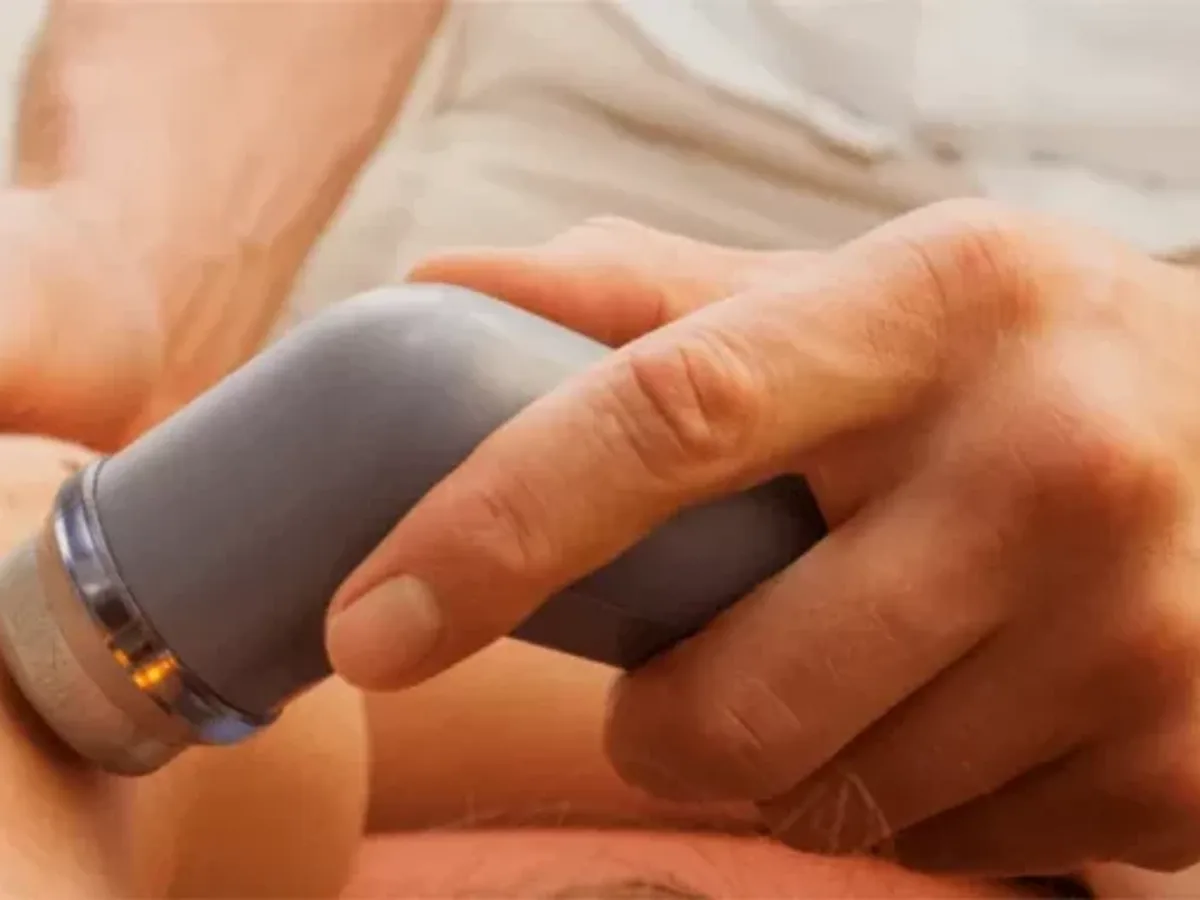
Ultrasound
Deep sound-wave therapy that warms and stimulates tissue to speed healing and relieve pain.
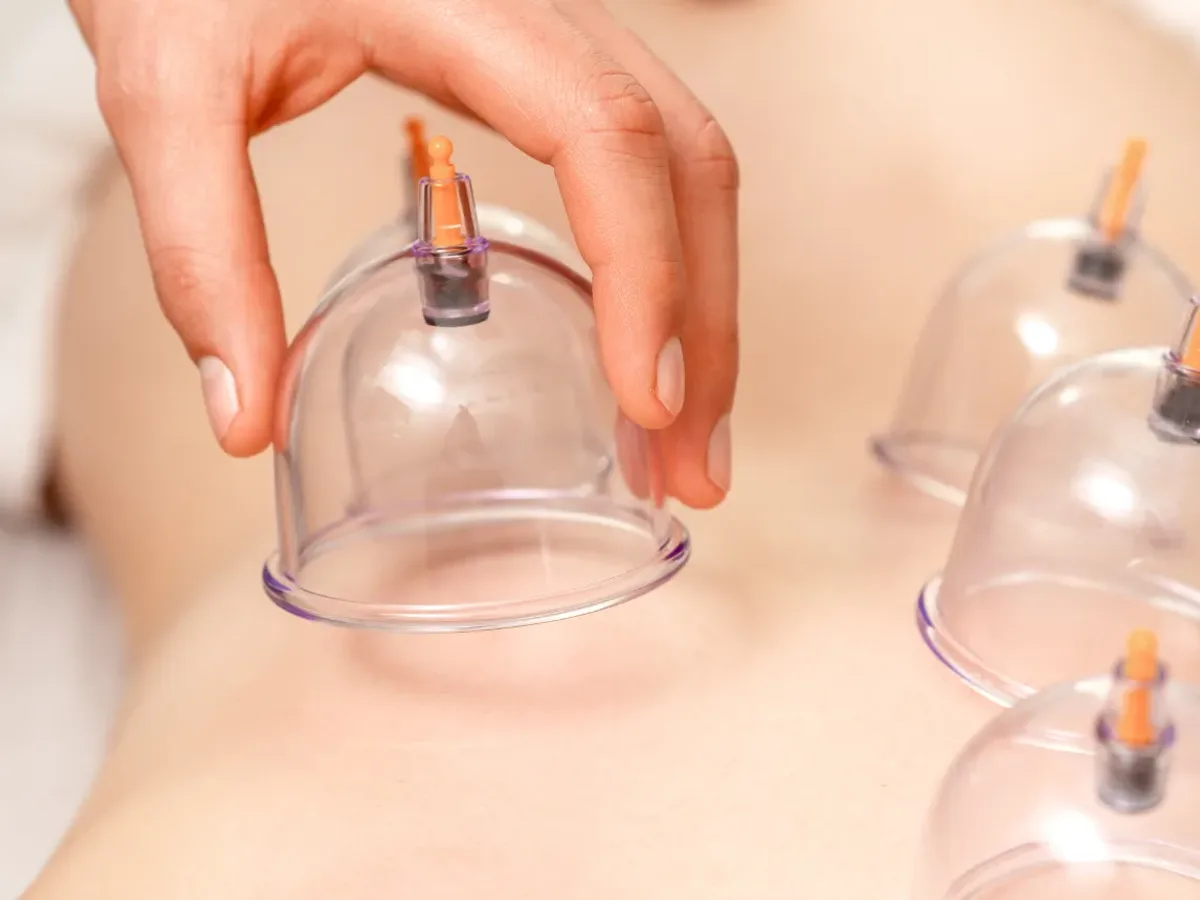
Cupping
Decompressive therapy that lifts tissue, improves blood flow, and eases tension other techniques can't reach.
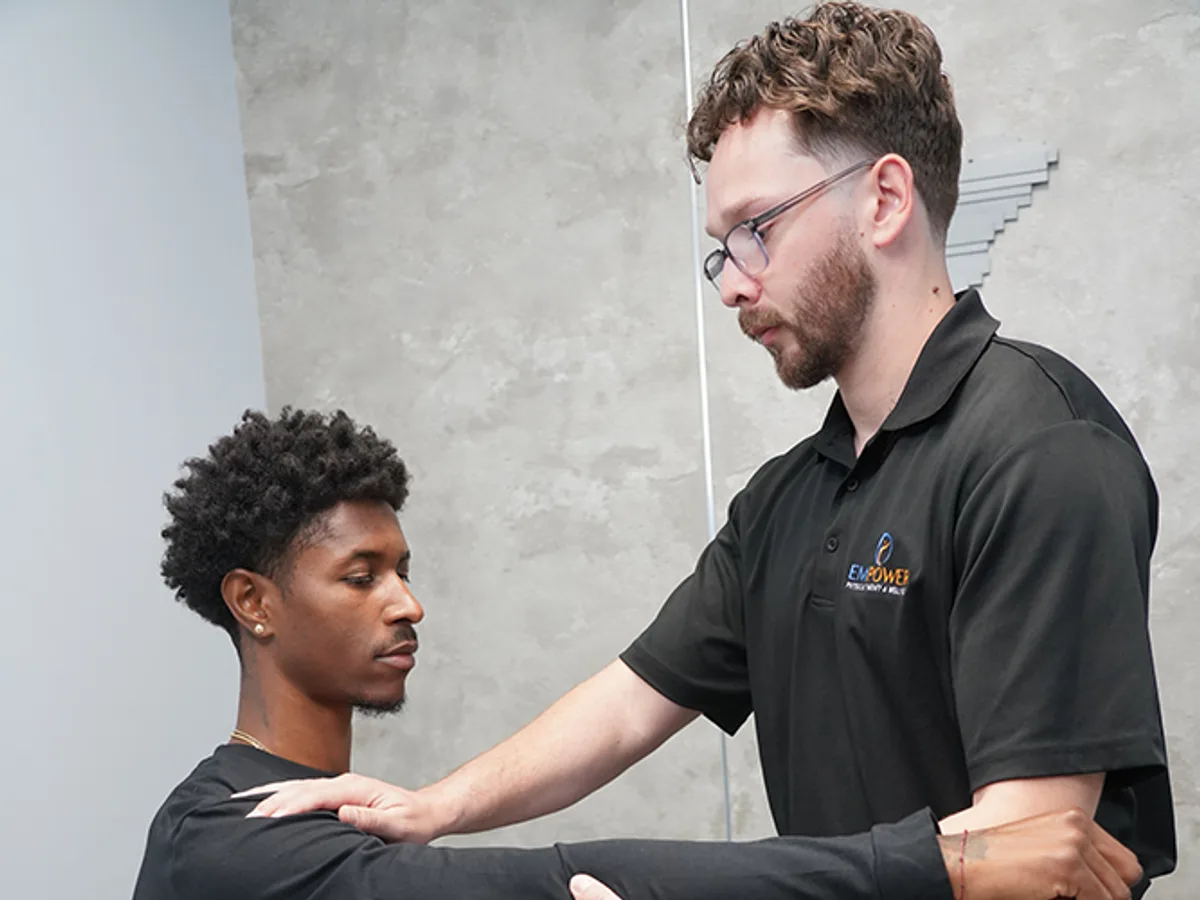
Orthopedic Therapy
Targeted rehabilitation for joint, muscle, and bone conditions to restore strength and movement.