TMJ/TMD Treatment in Chino Hills, Chino, & Pomona
Jaw pain, clicking, or a jaw that locks up can make eating, talking, and even relaxing feel like work, and it is easy to feel like you just have to manage around it. Physical therapy addresses the muscles and joint mechanics driving your symptoms so daily life stops revolving around your jaw.
What causes TMJ/TMD?
TMJ/TMD covers a range of problems affecting the jaw joint and the muscles that move it, and the causes are rarely just about the jaw itself. Posture, stress, habits, and muscle imbalance throughout the neck and jaw all play a role in how the joint moves and how much strain it is under. Understanding what is driving your specific pattern is how we calm the joint and keep symptoms from coming back.
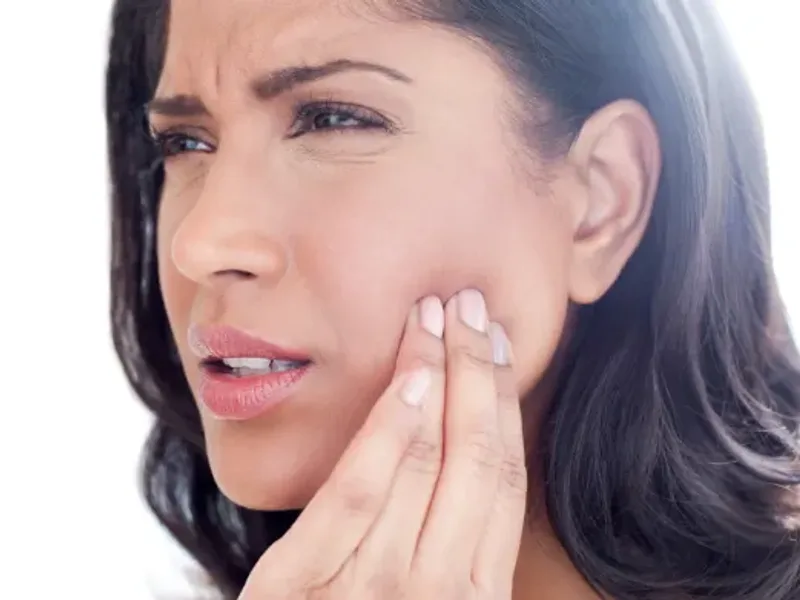
Clenching your jaw during the day or grinding your teeth at night puts sustained, repetitive load on the jaw muscles and joint. Over time this constant tension leads to muscle fatigue, joint irritation, and the aching or clicking that brings people in for treatment. Many people are unaware they are doing this until symptoms show up.
When your head sits forward of your shoulders, it changes the resting position of your jaw and increases tension in the muscles that control it. This posture is common with desk work and phone use, and it places the jaw joint under more strain than it is designed to handle.
The muscles that open, close, and move your jaw side to side can become imbalanced from habits like chewing gum constantly, favoring one side while eating, or nail biting. This imbalance changes how the joint tracks and can lead to clicking, popping, or catching.
Emotional stress often shows up physically as jaw clenching or tightening, even without you noticing it happening. Sustained tension in the jaw and surrounding muscles over weeks or months is a common contributor to TMJ symptoms, and it tends to build quietly until pain or clicking becomes hard to ignore.
The disc that cushions the jaw joint can shift out of its normal position, causing clicking, popping, or a sensation of the jaw catching when you open or close your mouth. This is often manageable with treatment aimed at improving joint mechanics and muscle balance around it.
A blow to the jaw, a fall, or a whiplash injury from a car accident can affect the muscles and ligaments supporting the jaw joint, sometimes causing symptoms that appear well after the initial injury has healed.
How physical therapy in Chino Hills helps.
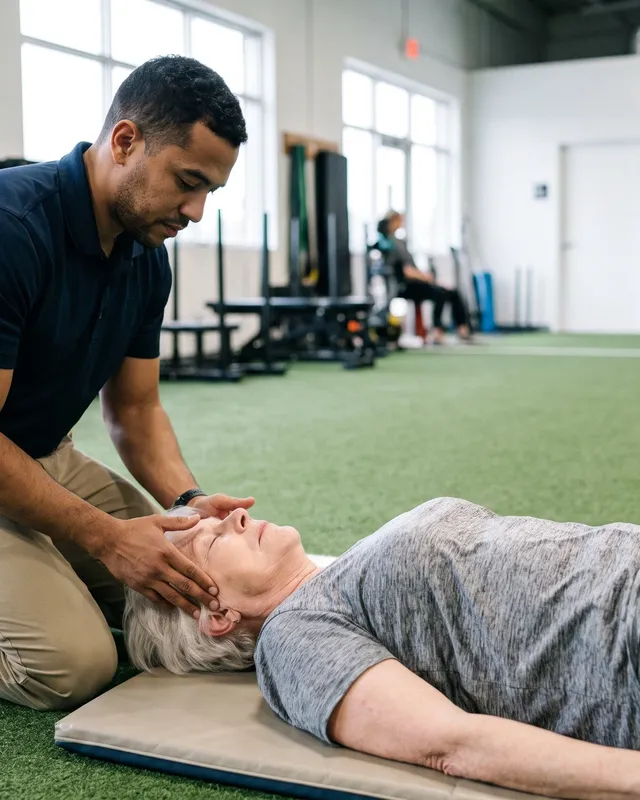
TMJ/TMD often responds well to treatment aimed at the muscles and joint mechanics driving your symptoms, not just the jaw in isolation. We look at your neck and postural alignment alongside the jaw itself, since the two are closely connected and rarely improve separately. Hands-on techniques help release tight, overworked muscles around the jaw, neck, and base of the skull, easing tension and improving how the joint moves. From there we build a home program of gentle exercises and postural habits that keep symptoms from creeping back in between visits. You work with the same therapist throughout, who adjusts your plan as your jaw responds rather than following a generic jaw exercise handout.
What to expect from your recovery.
Evaluation and pattern identification
Your first visit examines your jaw's range of motion, clicking or catching patterns, and the muscles and posture contributing to your symptoms. We look at your neck and upper back as well, since they are closely tied to jaw mechanics. You leave with a clear picture of what is driving your pain.
Hands-on release and pain relief
We use manual therapy to release tight, overworked muscles around your jaw, neck, and skull base, easing the tension that keeps the joint irritated. This phase focuses on calming symptoms so you can eat, talk, and sleep without constant discomfort. Many people notice meaningful relief within the first few visits.
Movement retraining and prevention
As symptoms ease, we introduce gentle strengthening and movement retraining to correct the habits or imbalances that contributed to your TMD in the first place. We also address posture and stress-related tension so the improvement lasts. You leave with tools to manage flare-ups on your own.
I highly recommend Empower PT for anyone looking for a place that really cares about your recovery and wellness. Treatments I've received at Empower PT were very helpful.
Pain rarely travels alone.
Headaches
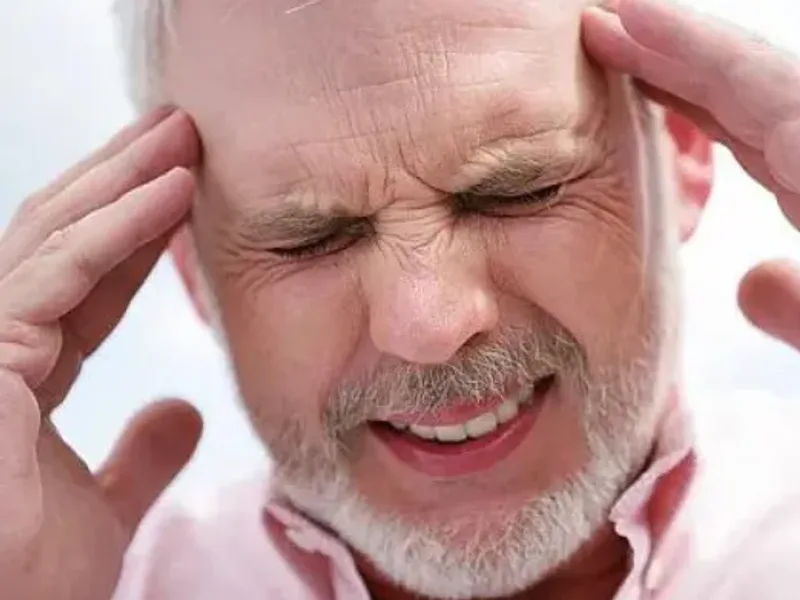
Jaw tension is a common trigger for tension-type headaches. We treat the jaw and the headache pattern together.
Neck Pain
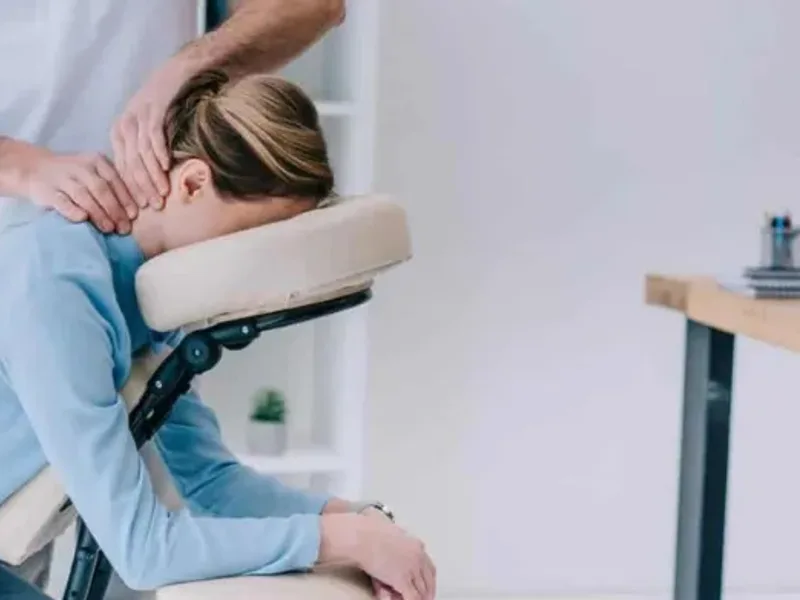
The neck and jaw share muscles and movement patterns, so problems in one often affect the other. We treat them as one connected system.

Dizziness & Vertigo
Jaw and neck tension can sometimes contribute to dizziness symptoms. We look at how these systems interact to find the real source.